
Shopping Cart
There are no more items in your cart









RFID textile labels: understanding, choosing and deploying traceability in ready-to-wear
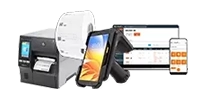
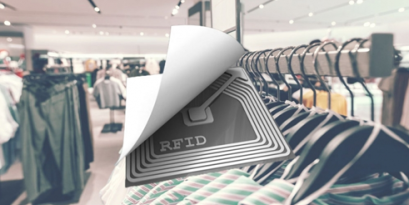
Textile RFID labels are identification carriers built around a microchip and a radio antenna, sewn, heat sealed or attached to a garment, storing a unique identifier (EPC) that can be read at distance with no contact and no line of sight. This guide covers their construction, how they work and how they differ from barcodes and conventional EAS tags, then compares the available formats (heat seal, sew in, woven, adhesive, hangtag) and the HF, UHF and NFC frequencies by use case. It also details the measured benefits for apparel retail (inventory accuracy, replenishment, shrinkage control), field use cases from leading brands, combined RFID + EAS protection, selection criteria and the printer, reader and software ecosystem required to deploy.
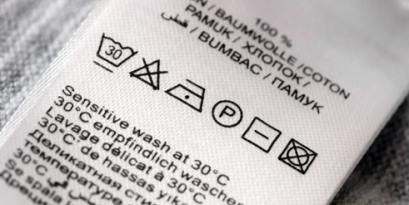
How to create a useful, relevant textile label
A well-designed textile label meets regulations and helps the user. Mandatory information (composition, language, fixing), recommended details (size, origin, care), ISO 3758 symbols, sew-on or iron-on types and creation steps: this guide helps you create a compliant, long-lasting label, right through to the RFID option for traceability.
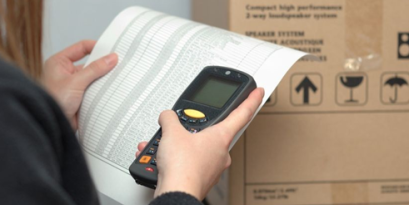
How to Choose the Right Barcode Reader for Your Business ?
Handheld scanner, wireless reader or portable terminal: the right barcode reader depends first on your activity, not on its datasheet. This guide compares the three main device families, sets out five selection criteria (1D or 2D code type, robustness, reading distance, connectivity, mobility) and offers a use-case table to find the model suited to the till, the warehouse, the field or scanning QR codes.