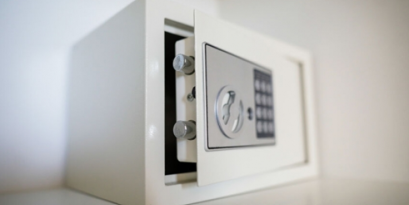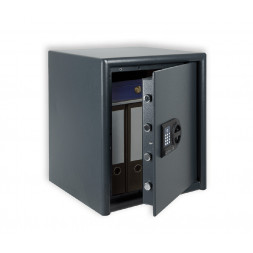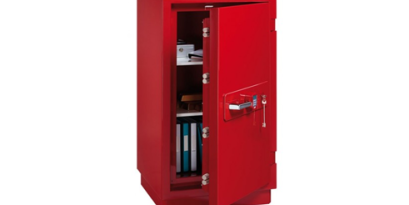
You've just purchased a combination safe or you're hesitant to use this type of lock for fear of making a mistake? This guide explains step by step how to open a combination safe with confidence, what to do if you forget your code, and how to maintain this type of equipment so it lasts over time.

What Is a Mechanical Combination Safe?

How a Mechanical Combination Works

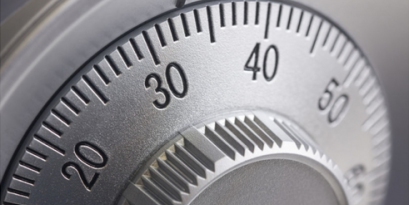
A mechanical combination safe operates using an internal disc lock system. By turning the dial, you rotate these discs until their notches align. Once the lock releases, the armored door can open. This type of system requires neither batteries nor an electrical connection. This is one of the major advantages of this safe model compared to electronic systems.

Difference Between Mechanical and Electronic Combinations

The dial lock relies on a fully independent rotary mechanism. It is renowned for its reliability and longevity. The electronic combination, on the other hand, uses a digital keypad and electronic components. It offers more features (traceability, multi-user access) but depends on a power source.

  • Mechanical combination: robust, battery-free, ideal for infrequent use.
  • Electronic combination: modern, practical, suited for regular or multi-user use

Good to know: a well-maintained mechanical lock safe can operate for several decades without failure.

Steps to Open a Mechanical Combination Safe With the Code

Steps to Correctly Enter a Combination

Operating a mechanical combination safe requires a method. Here is how to correctly enter your code, using the example of a 3-digit combination (e.g., 30 – 15 – 45):

  • Turn the dial to the right (clockwise) at least 4 full turns, then bring the 1st number to the index mark.
  • Then turn to the left (counterclockwise) at least 3 full turns, passing the 1st number once, then stop on the 2nd number.
  • Turn to the right again at least 2 full turns, then stop precisely on the last number of your code.
  • Pull or turn the handle to open the door.

Important: each safe may have its own rotation instructions. Always refer to the manufacturer's manual before first use.

Common Mistakes When Operating the Lock

  • Not completing enough turns at the start: the discs do not reset correctly.
  • Slightly overshooting the target number: even one or two degrees of offset will jam the lock.
  • Going too fast: precision takes priority over speed.
  • Reversing the direction of rotation: each number has a defined direction.

Tips to Avoid Lockouts

  • Turn slowly and steadily.
  • Stand facing the safe, at dial height.
  • Memorise your access code or write it down in a secure location, separate from the safe.
  • Do a few practice runs before closing the safe for good.

What to Do if You Forget Your Code?

Losing your access code can be stressful. Here are the two main solutions.

Réinitialiser le code : via une clé d'urgence

Some mechanical safes come with an emergency key. It allows you to open the safe if you forget your access code, and sometimes to change the code from inside the lock.

  • Always keep your emergency key in a location separate from the safe.
  • Never leave it inside the safe itself: that defeats its purpose.
  • If you've lost it too, call a certified locksmith.

Call a Professional

If you no longer have access to your combination or your emergency key, only a qualified locksmith can intervene without damaging the lock. A professional locksmith can even reset the code without opening the safe, depending on the model. Attempting to force the safe open risks damaging the internal mechanisms and rendering it unusable.

Tip: when purchasing a safe, register your access code and the safe's serial number with the manufacturer or a code management service. Some brands offer this service to make access recovery easier.

How to Maintain Your Disc Safe?

A mechanical lock safe is sturdy, but regular maintenance ensures its longevity, especially for older models.

  • Clean the dial regularly with a dry cloth to prevent dust build-up in the lock.
  • Lubricate the internal mechanisms with a dry lubricant (never oil-based) every 1 to 2 years.
  • Check the hinges and moving parts: they should not squeak.
  • Avoid humid areas or locations subject to significant temperature fluctuations.
  • Test your code regularly to make sure the system is working properly.

If in doubt, especially with older models, call a specialist locksmith rather than attempting to work on the internal lock yourself.

Why Choose a Digital Safe Today?

If you are currently shopping or looking to replace a dial safe, electronic lock models offer significant advantages.

Everyday Ease of Use

No more sequence numbers to memorize. With an electronic safe, opening is instant, regardless of the model chosen.

Multi-User Management

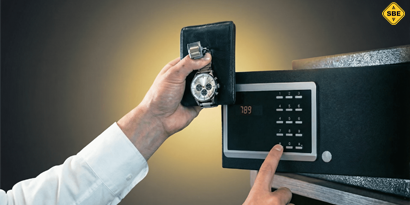
Some models allow you to create multiple codes with different security levels for each user. Ideal for families, businesses, or holiday rentals where several people need access to the safe.

Opening Traceability (Model Dependent)

High-end electronic safes record opening attempts, access times, and codes used. A valuable asset for security and access management.

Built-In Anti-Intrusion

In the event of repeated incorrect code entries, many models lock automatically for a set period of time, making brute force attempts ineffective. This enhanced security feature is absent from traditional dial locks.

Our Selection of Digital Safes

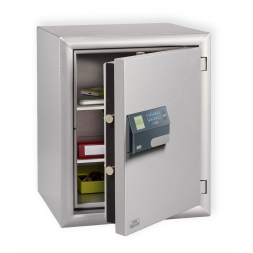
Diplomat Safe

The Diplomat safe is a safe model with a thick, steel-armored body. Its high-security lock resists break-in attempts. This type of safe is valued for the reliability of its locking system. Compatible with spaces designed for older built-in safes. Key features:

  • Certified armored body.
  • High-security lock.
  • Compact and discreet model.

A robust and elegant safe, ideal for residential or professional use.

Magno Safe

The Magno safe is an armored safe designed for large storage volumes. Its multi-point locking system provides enhanced security. Its anchoring system allows for discreet installation. Unlike older bulky safes, it can be installed in just a few minutes without a locksmith. Key features:

  • Reinforced armoring.
  • Multi-point lock.
  • Large capacity.
  • An anchoring system included.

High resistance and large storage capacity for your valuables and important documents.

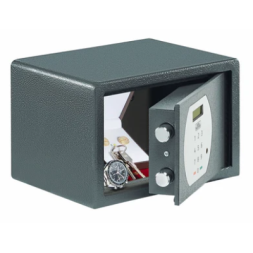
Pointsafe Small Safe

The Pointsafe safe is compact and discreet. This type of model is perfect for a flat, a hotel room, or an office.

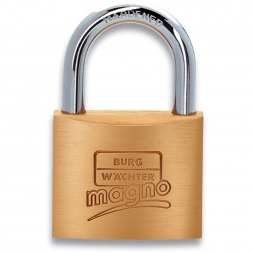
Also browse our full range of safe locks for portable and versatile security solutions.

Opening a combination safe is a precise operation that requires method and patience. By following the rotation steps and avoiding the most common mistakes, you will succeed without difficulty. If you forget your code, the emergency key or a professional locksmith remains your best option.

If you are looking for more everyday convenience, electronic combination safes are an excellent alternative depending on the model: easier to use, more secure, and often more versatile.

Need help choosing the right solution? Explore our selection on SBE Direct and find the safe that suits your needs.

RELATED PRODUCTS

Continue reading...
These articles too might interest you.

How to choose a fireproof safe?

The risk of theft and fraud has increased in recent years, so it is essential to take the necessary measures to protect your confidential documents, computer data and other valuables in business premises (companies, hotels, etc.). The fireproof safe is one of the most effective solutions to protect your belongings against theft but also against fir
SBE advise you
9487 views

What are the different locks on a safe?

A safe is a piece of furniture used to protect valuables from theft by using materials that are difficult to break into and a secure opening system. The lock of a safe is the central element of a safe, so it is important to choose the one that suits the secure contents and the management you want. There are several types of lock, from the classic to the most innovative. To help you make your choice, we will give you the specifics of each security lock.

SBE advise you
11448 views

Discover this quality armoured and fireproof safe

An exceptional safe at a low price

Product News
3222 views

Questions fréquentes de nos clients administrations et collectivités

What should I do if I lose my safe key?

Pour optimiser la gestion de vos immobilisations, adoptez des outils modernes de suivi comme les solutions RFID, codes-barres ou QR codes. Grâce à un système centralisé, vous localisez vos actifs en temps réel, facilitez les inventaires et prolongez la durée de vie de vos équipements.

How can I unlock a code safe?

If your code safe is locked after several incorrect attempts, wait until the security delay expires (usually a few minutes) before trying again. If you have forgotten your code, you have two options: the emergency key method if you have one, or contact an authorized professional. Some manufacturers also offer a remote reset service upon presentation of proof of identity.

How does a mechanical code safe work?

A mechanical code safe uses a system of internal rotating discs. Each number of the combination corresponds to a specific position on a disc. By turning the dial in a defined sequence (alternating right/left), you gradually align the notches on each disc. Once all the discs are correctly positioned, the bolt retracts and allows the door to open.


See the author's articles
Melissa Oumaouche

With over 5 years of experience in creating content optimized for search engines, Mélissa is currently Marketing & Product Manager at SBE Direct, where she leads the product catalogue positioning across the e-commerce website and marketplaces, as well as the SEO content strategy in coordination with the marketing team she oversees.

We use cookies to improve your experience.