Shopping Cart
There are no more items in your cart
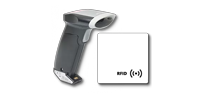
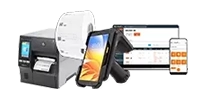








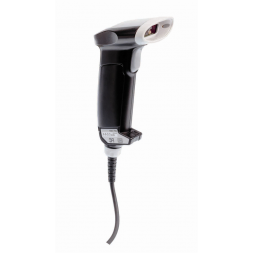
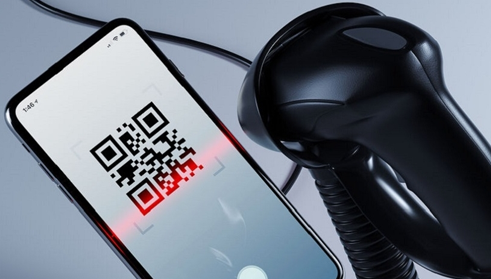
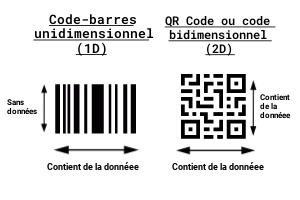
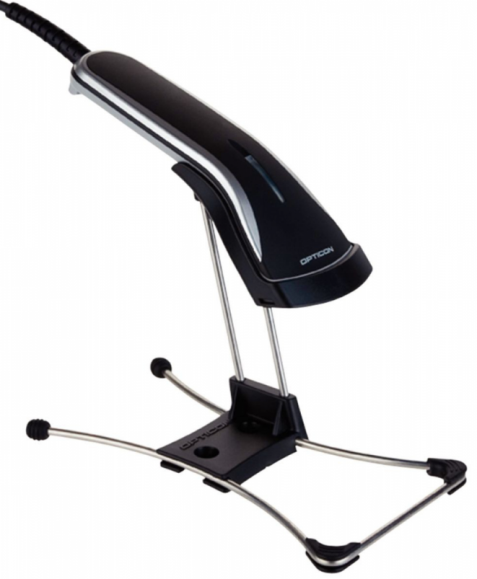
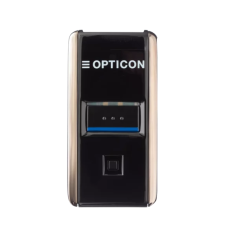

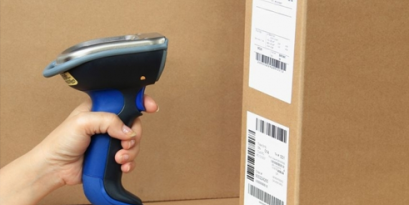
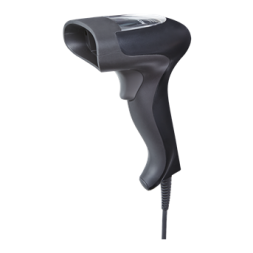
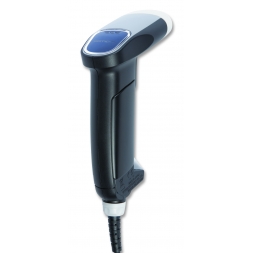
Barcode readers are efficient tools for the identification of products stored in the professional environment. Barcode readers can read one-dimensional barcodes (128, UPC-A, EAN13..) but also two-dimensional ones (QR Code). There is no ideal reader but a reader adapted to a need. In order to find the reader model that suits you, it is essential to determine its use and its features.
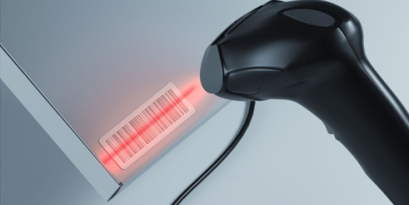
Inventory management is nowadays one of the major concerns of company managers. Indeed, it must be optimized to allow the traceability of products and thus increase the profitability of the company and its reputation with its customers. SBE offers several models of barcode scanners that will help you save time during your inventories thanks to their fast and reliable data reading and their ease of use.
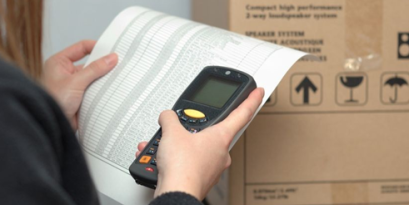
Handheld scanner, wireless reader or portable terminal: the right barcode reader depends first on your activity, not on its datasheet. This guide compares the three main device families, sets out five selection criteria (1D or 2D code type, robustness, reading distance, connectivity, mobility) and offers a use-case table to find the model suited to the till, the warehouse, the field or scanning QR codes.