Textile labels

Textile labels

Clothing and fabric marking meets strict requirements for traceability, legal compliance and brand image. A high-quality textile label must withstand intensive washing cycles while remaining perfectly readable.

Whether sew-on, iron-on or self-adhesive, the range of solutions offered meets the strict requirements of garment manufacturers, laundries and public institutions, ensuring long-lasting traceability and customization of all items.

Read more ↓
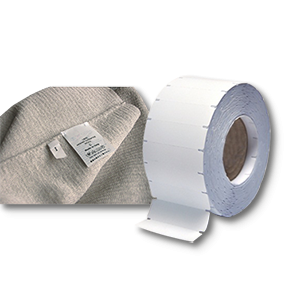
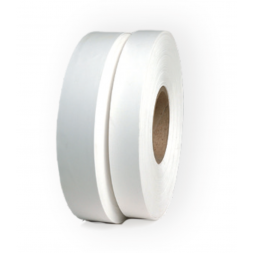
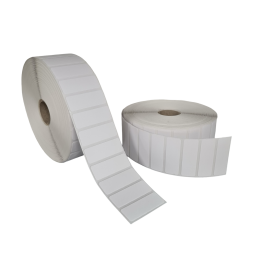
Blank textile labels for sewing or iron-on in rolls

How do you choose a professional textile label?

The selection of a marking material mainly depends on the desired fastening method and the laundry care requirements. Whether it is used to track work uniforms, mark hospital linens or add a designer label, each application requires a suitable material.

We offer blank or customized textile labels, available in several materials including:

  • nylon
  • satin
  • polyester
  • or cotton

Our textile labels are compatible with thermal transfer printers from the leading brands.

The main requirements focus on the durability of the printed information and wearing comfort, ensuring that labels do not irritate the skin of end users. To guide your initial considerations, analyzing the essential criteria for creating a useful and relevant textile label helps you precisely define the mandatory information to include on your products.

Custom clothing label: a branding asset

A custom clothing label displays your logos, sizes and mandatory care instructions (washing symbols), for both small batches and industrial volumes. It ensures compliance with labeling standards and consistency in your marking, from ready-to-wear garments to institutional laundry.

Sew-on fabric backings for maximum durability

Choosing a traditional custom fabric label ensures excellent long-term durability, even when exposed to the most demanding industrial treatments. It is the preferred solution for haute couture, ready-to-wear garments and institutional laundry management.

Sew-on clothing labels are the ideal choice when the material must withstand high-temperature washing (above 60°C) or repeated dry cleaning. Using a sew-on textile label roll made of nylon or satin provides a flexible support that does not fray and preserves the integrity of your information over the years.

Les solutions thermocollantes et autocollantes pour gagner du temps

For organizations managing large volumes of laundry or requiring fast marking, alternatives to machine stitching are available.

  • The iron-on clothing label can be applied in just a few seconds using heat, bonding the adhesive directly to the fabric fibers.
  • For an even quicker application, self-adhesive clothing labels offer maximum flexibility.

They can be applied directly onto existing brand or composition labels without requiring a heat source, providing a highly effective temporary or permanent solution.

Fastening TypeAverage Washing ResistanceApplication SpeedIdeal Use
Sew-onExcellent (up to 90°C + autoclave)ModerateReady-to-wear, hospitality, industrial laundry
Iron-onVery good (up to 60°C)FastPublic institutions, nursing homes, workwear
Self-adhesiveGood (moderate machine washing)ImmediateTemporary identification, crisis management, events

In-house textile printing technologies

Retaining control over printing operations enhances responsiveness and enables the production of identification materials on demand, aligned with production workflows or waves of admissions to the facility.

Thermal transfer printing

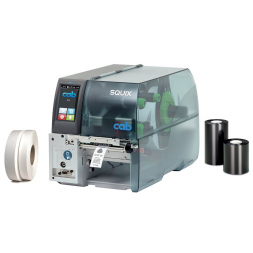
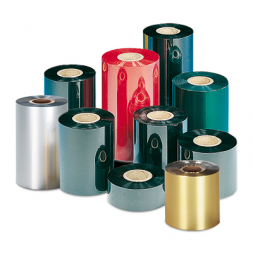
To print barcodes, logos or name lists on your fabric strips, using a dedicated label printer is recommended. This technology uses a specific ink ribbon (often resin-based) that ensures the ink does not smudge or fade during washing cycles.

To simplify the setup of this configuration, adopting a complete textile label printing kit combines the equipment, software and initial consumables.

To operate these devices and import your data lists, professional label printing software provides intuitive interfaces to automate your production runs.

Industrial hot-press bonding

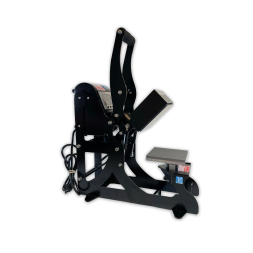
To ensure perfect adhesion of heat-transfer adhesives on textile fibers in professional environments, a standard iron quickly shows its limitations. Understanding the operation and settings of a textile heat press is essential for adjusting the temperature, application time and pressure required for a permanent, tear-resistant fixation.

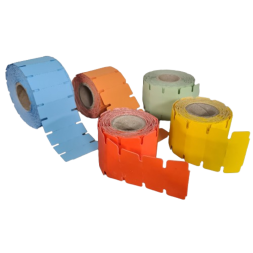
Using a color butterfly iron-on label or its butterfly iron-on label version enables highly visible double-sided marking (front and back).

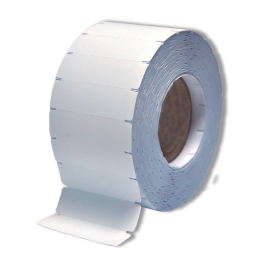
Finally, for standardized productions, sourcing pre-cut iron-on textile label rolls optimizes marking rates in workshops.

Why trust SBE Direct's expertise?

As a specialized distributor, SBE Direct carefully selects the best identification solutions on the market to meet the requirements of laundries and garment manufacturing workshops.

The catalog includes reliable consumables, specifically selected for their ability to withstand industrial washing processes without fading or coming loose.

Beyond simply supplying blank rolls, our workshop offers a complete customization service. It is therefore possible to order custom-printed series ready for application, including your logos, texts or barcodes.

Given the wide variety of materials and care methods, our teams provide guidance to help you identify the most suitable fastening type and material according to your laundry volumes.

Frequently Asked Questions

What is the difference between a nylon and satin label?

Nylon is a highly economical synthetic material that is tear-resistant and rigid, making it ideal for barcodes and inner garment composition labels. Satin, on the other hand, offers a soft and shiny texture that is much more pleasant to the touch, making it the preferred choice for high-end garments or labels in direct contact with the skin.

Are adhesive labels washing machine resistant?

Yes, provided they are applied to a clean, flat surface, generally on the existing polyester brand label of the garment, and not directly onto knitted fabrics or cotton. They can withstand several dozen washes at moderate temperatures before needing to be replaced.

What is the advantage of the "butterfly" format for textile marking?

The "butterfly" format folds over itself around the edge of a sleeve, collar, or hem. This doubles the available printing area by displaying information on both the front and back of the garment, making it easier for laundry operators to quickly read the markings.

How can you ensure that a heat-transfer label does not peel off?

The key to successful application lies in following the thermal application trio: a precise temperature (usually between 170°C and 190°C), firm and even pressure, and an application time of 12 to 15 seconds. Using a professional heat press ensures that the adhesive fully bonds with the textile fibers.

We use cookies to improve your experience.