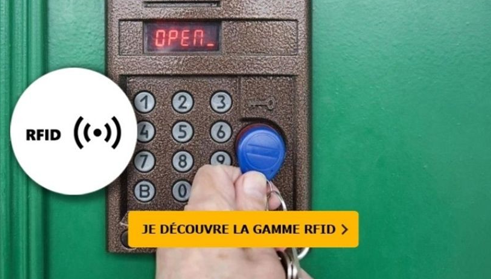
To follow up on our excellent article "Understanding RFID in 10 steps", we are pleased to present our range of RFID tags, badges and key fobs.
YOUR SUPPLIES NOW AT SBEDIRECT
As with most SBE products, all these RFID consumables are customisable to your colour of your choice and allow you to choose from the many types of RFID chips to suit your equipment.
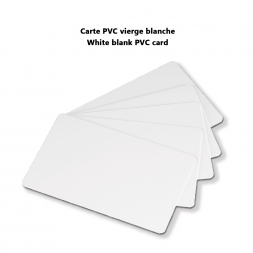
CONTACTLESS RFID ACCESS BADGE
- ISO standard PVC badge
- Secure RFID technology
- Storage capacity up to 4 KB
- 7 RFID chips available
- Optional customisation and encoding
- 100% checks valid after manufacture
- RFID badge from 0.68€ excluding tax
CONTACTLESS RFID PVC FOB
- 3 RFID ISO standard label sizes
- Efficient and affordable RFID technology
- 4 types of RFID chips available
- Optional customisations and encoding
- 100% checks valid after manufacture
- RFID fob from 0.58€ excluding tax
CONTACTLESS RFID KEY FOB
- Lightweight and robust key fobs
- 4 available colours
- Secure RFID identification technology
- 3 ISO standard RFID chips available
- Optional customisation and encoding
- 100% checks valid after manufacture
- Keyring from 0.80 € excluding tax
Featured products
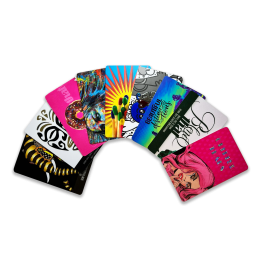
75/100th Four-Color Front PVC Customized Access Badge
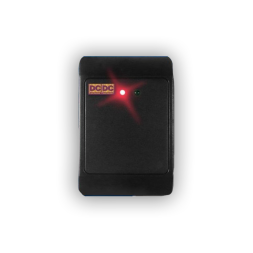
RFID- badge and card USB reader (LF,HF,NFC)
Continue reading...
These articles too might interest you.
RFID: Understand the Technology, Choose the Right System and Apply It in Your Business
RFID identifies your assets and people without contact, through packaging or a pocket. From the access badge to the pallet label, a chip and a reader are enough to read hundreds of items per second, where the barcode requires a visual read, one at a time. Discover how it works, its frequencies (LF, HF, UHF), its advantages and limitations, a comparison with NFC and the barcode, and how to choose the right RFID system for your business.
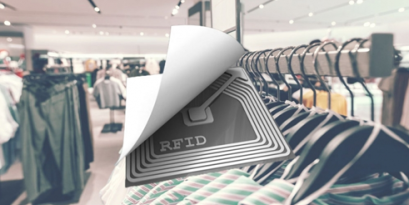
RFID textile labels: understanding, choosing and deploying traceability in ready-to-wear
Textile RFID labels are identification carriers built around a microchip and a radio antenna, sewn, heat sealed or attached to a garment, storing a unique identifier (EPC) that can be read at distance with no contact and no line of sight. This guide covers their construction, how they work and how they differ from barcodes and conventional EAS tags, then compares the available formats (heat seal, sew in, woven, adhesive, hangtag) and the HF, UHF and NFC frequencies by use case. It also details the measured benefits for apparel retail (inventory accuracy, replenishment, shrinkage control), field use cases from leading brands, combined RFID + EAS protection, selection criteria and the printer, reader and software ecosystem required to deploy.