Shopping Cart
There are no more items in your cart
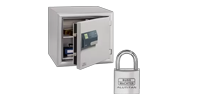



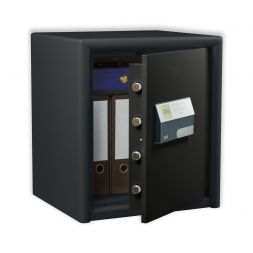
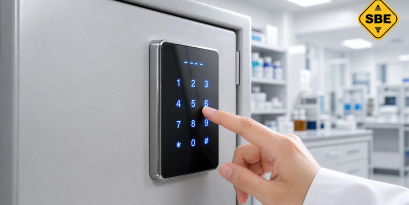
How to open an electronic code safe, both in normal operation and when the safe is blocked ? It details how the keypad and locking mechanism work, the difference between master code and user code, and the main causes of failure (forgotten PIN, dead batteries, lockout after several wrong attempts, hardware malfunction). You will find concrete solutions to open a blocked safe (emergency key, temporary external power supply, contacting the manufacturer, calling a professional locksmith) as well as the procedure to change or reset your code. The article ends with best practices to avoid being locked out again (storing emergency keys safely, replacing batteries preventively, choosing a memorable code, keeping the serial number, and proof of purchase).
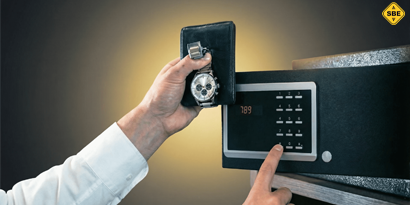
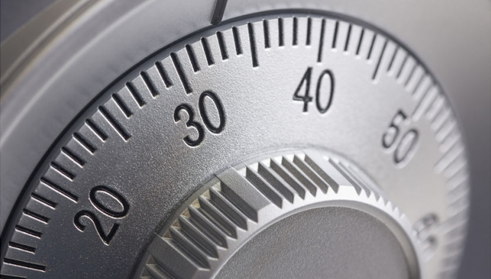
Opening a combination safe requires method, not force. Dial rotation, disc alignment, direction of manipulation: this guide details every step to unlock your safe without stress or mistakes. You'll also discover the common pitfalls that jam the lock and how to avoid them. Forgotten code, lost emergency key, disc lock maintenance or switching to an electronic model: this article covers every scenario to support you in your daily use. Browse our selection of digital safes on SBE Direct.
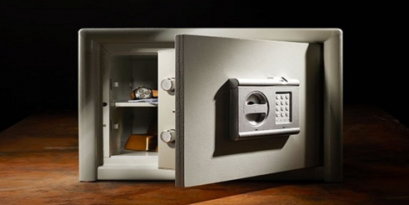
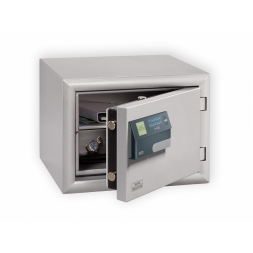
Commercial and industrial premises are the first target for thieves because they contain a large amount of computer equipment, confidential documents and sometimes money. Every year, more than 17,000 cases of burglary are recorded, with an average value of €2,900. These thefts, which account for more than 40% of burglaries in France, are only increasing in this period of health crisis when companies are deserted by employees to telework, leaving the way clear for thieves. It is therefore essential to secure company property as much as possible with a burglar-proof and fire-proof safe. SBE Direct offers a wide range of cost-effective security safes made in Germany. Available in various sizes, with a choice of locks, our security safes can meet any need.