Shopping Cart
There are no more items in your cart
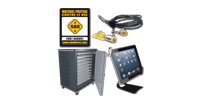











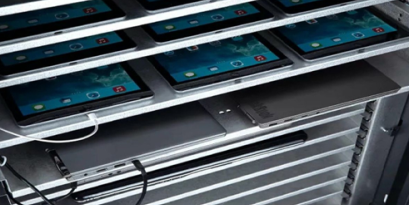
The introduction of mobile charging carts into educational institutions has radically transformed teaching and learning methods in classrooms. Equipped with laptops and tablets, these carts provide teachers and students with easy access to cutting-edge technological tools, thereby enriching the educational experience.

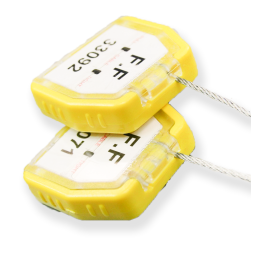
A sea container in international circulation must carry a Grade H ISO 17712:2013 seal on its main door. This guide breaks down the regulatory framework (C-TPAT, TIR), the three grades I S H, the seal types (bolt, cable, lead seals, adhesives), the five-step installation procedure and the decision matrix by route.