Shopping Cart
There are no more items in your cart

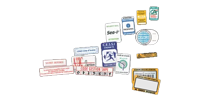







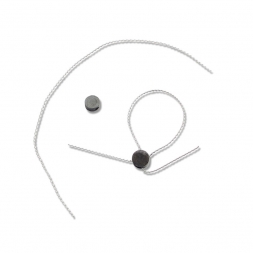
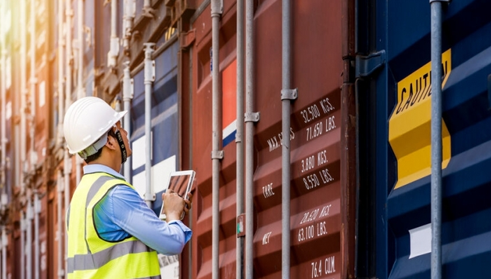
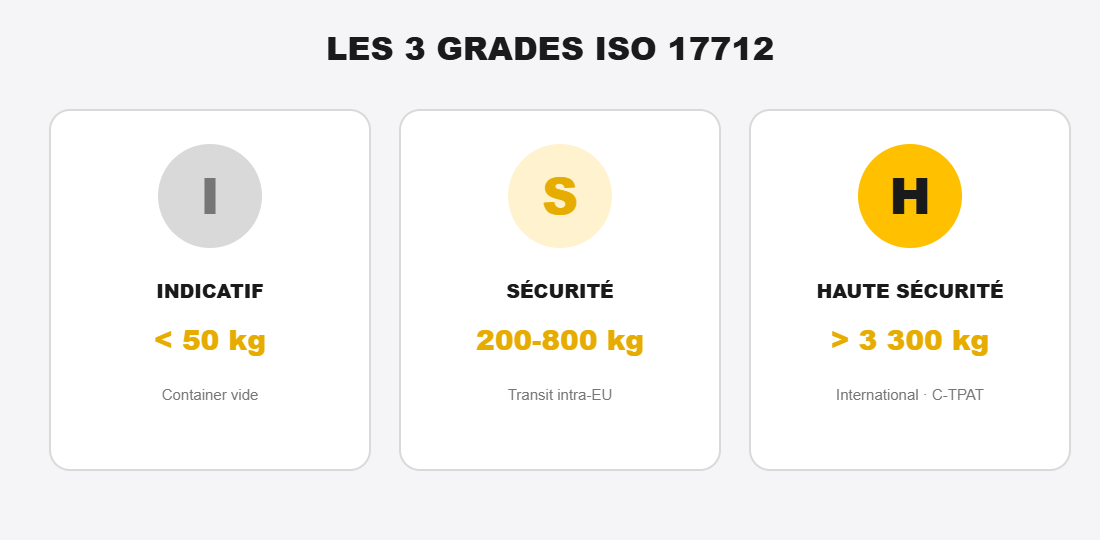
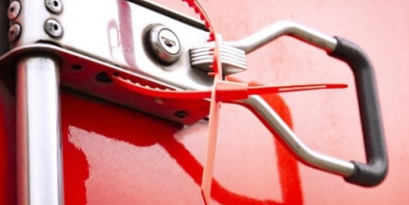
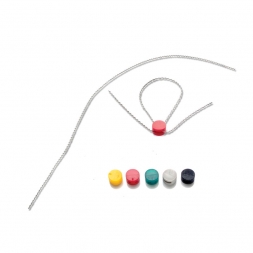
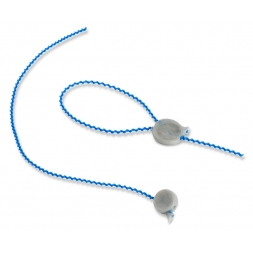
The plastic seal with progressive tightening is used in many fields, such as logistics, transport, emergency exits, fire extinguishers, medicine cabinets... their operation may seem imprecise and confusing, we will understand in which context it is preferable to use this type of seal and also understand their opening/closing system.
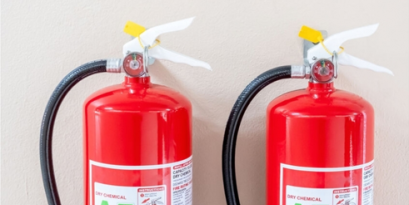
Plastic security seals are an effective tool used in all sectors of activity. They ensure the traceability of goods or the identification of security equipment thanks to a unique identification number. This allows them to act as a deterrent and witness to fraud thanks to their single-use closure. In this article, discover how a plastic seal works and the different possible applications.
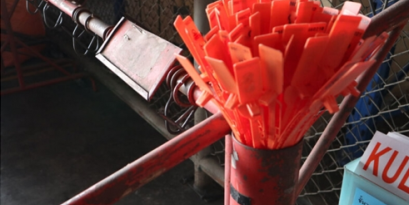
There are many security seals available to protect your goods from theft. It is important to choose the right seal according to the desired use. For that, our article will present you the different seals, their utility and their functioning to choose your seals adapted to your needs.