In France, unknown shrinkage represents on average 1.4% of retail turnover, which amounts to more than 7 billion euros in annual losses. In certain sensitive sectors such as cosmetics, alcohol or textiles, this rate can rise to 5–7% of revenue. A silent scourge that eats away at retailers’ profitability, but for which concrete solutions do exist.

Unknown shrinkage: definition

Unknown shrinkage refers to the difference between a store’s theoretical stock and the actual stock recorded during inventory counts. It includes all merchandise losses whose origin cannot be clearly identified: shoplifting, internal theft by employees, administrative errors, unreported breakage or supplier fraud.

Shoplifting remains the main cause and accounts for around 39% of unknown shrinkage. Product disappearance and internal theft are the most frequent issues retailers face. These are precisely the causes on which solutions such as the anti-theft labels offered by SBE Direct can act effectively.

What is the difference between known and unknown shrinkage?


Known shrinkage
refers to losses that are identified and documented: damaged products, expired items, and goods spoiled or broken during transport. These losses are recorded, and their cause is clearly traced.

Unknown shrinkage, on the other hand, covers all unexplained losses detected only during inventory counts. It is impossible to know whether the goods were stolen, miscounted, or lost due to a checkout error. This uncertainty makes the phenomenon difficult to address without the right tools.

Concrete example: A fashion retailer generating €800,000 in annual revenue with a 2% shrinkage rate loses €16,000 per year. After installing an anti-theft system (around €12,000 investment), a 45% reduction in shrinkage generates €7,200 in yearly savings. The ROI is reached in 20 months.

How to measure unknown shrinkage?

  • Unknown shrinkage = (Opening stock + Purchases – Sales – Known shrinkage) – Actual stock
  • Shrinkage rate = (Unknown shrinkage amount / Net sales revenue) × 100

Consequences of unknown shrinkage on retail profitability


Unknown shrinkage has a direct impact on net profit. According to the latest NRF survey (2022), shrinkage reduces retailers’ net profit by an average of 1.6% each year. For a store generating €1 million in annual revenue, this represents between €8,000 and €32,000 in losses, depending on the sector. Beyond lost revenue, unknown shrinkage causes stockouts, price increases passed on to customers, and a decline in trust within teams. 82% of retailers report having suffered theft in 2024, with a perceived increase of 15.5%.

Causes of unknown shrinkage?

Unknown shrinkage does not stem from a single source; it is a problem with many faces. To act effectively, you first need to understand where losses in your store are coming from. We distinguish four main causes, two of which are related to theft and alone account for almost 67% of total losses.

  • External theft (customers) – 39%: shoplifting, items passing through checkout without being scanned, removal of security labels. Cosmetic, alcohol and electronics aisles are the most targeted.
  • Internal fraud (employees) – 28%: skimming merchandise, fraudulent voids or refunds at checkout, collusion with third parties.
  • Administrative errors – 21%: receiving mistakes, incorrect labelling, inventory discrepancies, data-entry errors in the management system.
  • Supplier fraud – 12%: incomplete deliveries, overbilling, product substitution.
causes of uknown shrinkage

This breakdown shows that two-thirds of unknown shrinkage is directly linked to malicious acts, whether internal or external. In other words, concrete preventive solutions (anti-theft labels, access control, staff training) can address the majority of losses. The remaining third — errors and supplier fraud — must be tackled with rigorous processes: double checks on receipt of goods, frequent inventories and robust traceability tools.

Sectors affected by unknown shrinkage


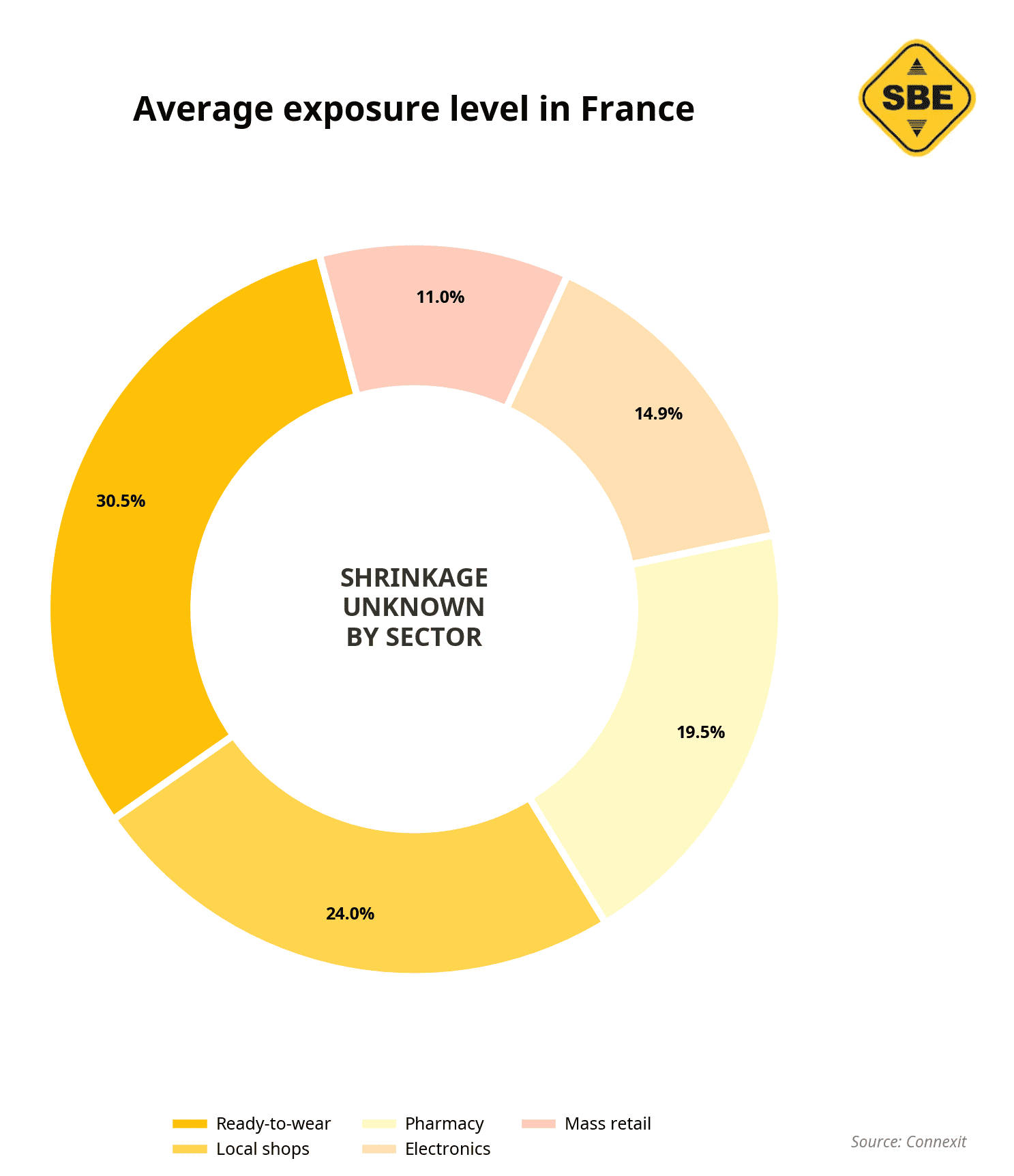
All retailers are exposed to unknown shrinkage, but some sectors pay a much higher price than others. Fashion, convenience stores, and pharmacies show the highest rates, between 1% and 3.2% of turnover, mainly because they sell small products that are easy to conceal and have a high resale value.

some stats about uknown shrinkage


The level of exposure depends above all on the type of product, not on the store format. The sectors most affected in France are:

  • Fashion retail (1.5 – 3.2%): small items, easy to resell
  • Convenience stores (1.2 – 2.5%): tobacco, alcohol, fast-moving goods
  • Pharmacies (1.0 – 2.0%): premium cosmetics and perfumes
  • Electronics (0.8 – 1.5%): organised theft, anonymous products
  • Big-box retail & DIY (0.5 – 1.2%): low rate but very high volumes.

These figures show that no sector is spared, even if the gaps between them are significant. Fashion retail remains the most exposed, with losses that can exceed €32,000 per million euros of revenue, often because traditional tags can be removed from garments quite easily. At the opposite end, DIY and big-box retailers show lower rates, but the sheer number of SKUs and the size of the sales areas make effective control particularly difficult to maintain without the right tools.

How can you prevent unknown shrinkage?

Anti-theft labels: 3 technologies you should know


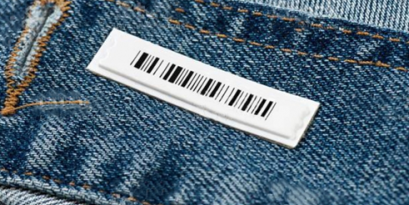
Anti-theft labels are the first line of defence against in-store theft. There are three main technologies:

  • Acousto-magnetic (AM): the acousto‑magnetic label contains a ferromagnetic strip that resonates at 58 kHz when it passes through the security gates. It offers the best detection range and works even on metal or liquid products. Ideal for large specialist stores.

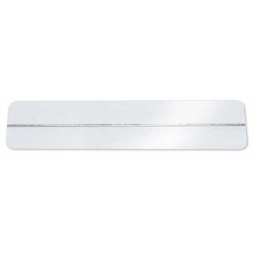
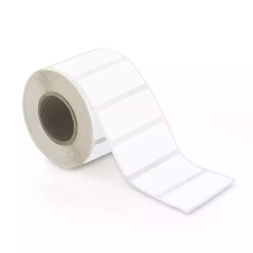
  • Radiofrequency (RF): the most widely used technology, operating at 8.2 MHz. More affordable, it is perfectly suited to books, clothing, perfumes and cosmetics. In this context, blank RF labels available in several formats integrate easily with different types of merchandise and store layouts.
  • Electromagnetic (EM): suitable for metal products, but with a detection range limited to around 90 cm and a detection rate of around 75%. EM labels integrate efficiently with operational constraints in specific environments.

Tamper-evident and inventory labels

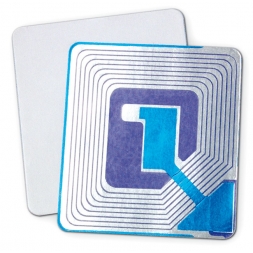
Tamper-evident VOID security labels make it possible to detect any attempt at fraud or unauthorized opening. For stock control, RFID inventory labels ensure accurate counting and reduce administrative errors; this technology also applies to the textile sector thanks to dedicated labels. Unsure whether to choose a traditional anti-theft solution or RFID?

Here are the main differences to help you decide based on your business profile.

CriteriaEAS Anti-theft (EM/RF/AM)RFID (UHF)
Main functionGate alarmAlarm + individual item tracking
Cost per tag€0.02 / €0.10€0.05 / €0.30
Inventory managementNoYes (real-time)
Shrinkage reduction20 / 35%40 / 60%
Ideal retail typeSupermarkets, pharmacies, bookstoresFashion, electronics, jewellery

Additional measures

  • Remote video surveillance: cameras positioned at sensitive points in the store to deter both internal and external theft.
  • Staff training: raising employee awareness of theft techniques and checkout procedures helps reduce internal fraud.
  • Store layout: good lighting, placing high-risk aisles close to the checkout area, and using signage compliant with the ISO 7010 standard all help limit theft.

Electronic security solutions typically offer an ROI of between 6 and 18 months. Retailers who deploy a combined system (anti‑theft labels + RFID + video surveillance) reduce their shrinkage by 40 to 60%.

Unknown shrinkage is a major challenge for retailers of all sizes. By combining technological solutions such as AM, RF or EM anti‑theft labels and RFID inventory labels with organisational measures (staff training, store layout, control of incoming deliveries), it is possible to significantly reduce losses. Every point of shrinkage you recover is profitability gained. SBE Direct supports retailers with a full range of in‑store product security solutions.

Continue reading...
These articles too might interest you.

UHF RFID Explained: Frequency, Technology & Industrial Applications

UHF RFID technology (860–960 MHz) enables the simultaneous reading of hundreds of tags at distances of up to 15 meters, with no line-of-sight requirement, where barcodes still demand manual, one-at-a-time scanning. It has established itself as the global standard for automated traceability across industries as diverse as logistics, retail, healthcare, and industrial asset management. Its key advantages include data accuracy exceeding 99%, an 80–90% reduction in cycle count time, and an ROI typically achieved within 12 to 18 months. Its only notable limitations involve sensitivity to metal surfaces and liquids, which require the use of On-Metal tags (also referred to as metal-mount RFID tags) in demanding industrial environments.

Product News
Melissa Oumaouche
1408 views

Label printer: the right choice

You need to print your own labels, but with the different printing technologies, roll sizes, compatible software, and types of ribbons, it’s often difficult to know where to start. No worries: by answering just a few simple questions, you’ll know exactly which label printer is right for you.
SBE advise you
Tanya Bicki
3264 views

Secure your products in shop with security labels

Tools, smartphones, alcohol, razor blades, jewellery and make-up are the products most coveted by thieves because of their high added value. Theft is a scourge for supermarkets and specialist retailers. It accounts for nearly 80% of "shrinkage", which represents all the goods that go missing, including stock management errors, supplier errors, breakage and waste. In Europe, France is one of the countries most affected by shrinkage with 6.5 billion euros lost, including more than 468 million euros for specialised distribution. It is mainly due to external/shoplifting (43%), internal/employee fraud (24%), suppliers (17.5%), then internal errors/administrative losses (16%). (source: 22/10/20, Stackr). To counter theft, it is therefore essential to invest in effective and reliable means such as anti-theft security labels. In this article, you will learn about the different types of anti-theft labels and their advantages.

SBE advise you
7043 views

Frequently asked questions

How to Identify Unknown Shrinkage?

Unknown shrinkage is detected during inventory audits by comparing theoretical inventory with actual physical stock. The calculation formula is: (Opening Stock + Purchases, Sales, Known Shrinkage) Actual Stock = Unknown Shrinkage. Regular inventory audits, streamlined by RFID label technology, enable you to rapidly identify stock discrepancies and determine their root causes.

Which Technology Should You Choose to Reduce Unknown Shrinkage?

It depends on your business type. AM technology offers the best detection range for large specialized retailers. RF is the most versatile and cost-effective solution for fashion and cosmetics. EM technology is suitable for specific environments with metallic products. SBE Direct offers labels tailored to each need.

What Are the Factors Contributing to High Shrinkage?

The main factors are: the absence of an anti-theft system, insufficient staff training, recurring inventory and labeling errors, poor store layout design, and lack of control over supplier deliveries. Combining technological and organizational solutions is key to sustainably reducing this phenomenon.

See the author's articles
Melissa Oumaouche

With over 5 years of experience in creating content optimized for search engines, Mélissa is currently Marketing & Product Manager at SBE Direct, where she leads the product catalogue positioning across the e-commerce website and marketplaces, as well as the SEO content strategy in coordination with the marketing team she oversees.

We use cookies to improve your experience.