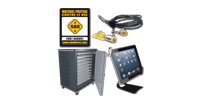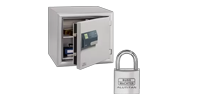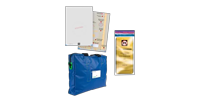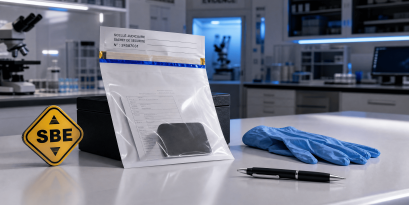
Tamper evident describes any packaging, labelling or sealing device designed to make every attempt at handling or opening visible and irreversible. A parcel opened before delivery, a blister pack handled in a pharmacy, an energy meter unsealed by a third party: each time, the same operational question arises. How do you visually prove that the product has not been altered? That is exactly the role of an integrity indicator, which does not prevent opening but turns it into usable evidence.

This guide answers the three most frequent questions among logistics, quality, security and purchasing managers: what precisely distinguishes a tamper evident device from a tamper-resistant or tamper-proof solution, which families of security labels and seals meet which need, and which regulations make their use mandatory in pharmaceuticals, logistics or cash transport.

What does "tamper evident" mean?

Tamper evident literally means "evident when handled": it covers any packaging, labelling or sealing device that leaves a visible and irreversible trace from the very first attempt to open or alter it. In English, "to tamper" means to interfere fraudulently; "evident" describes what is plain to see. A tamper evident product therefore does not block access: it provides the proof.

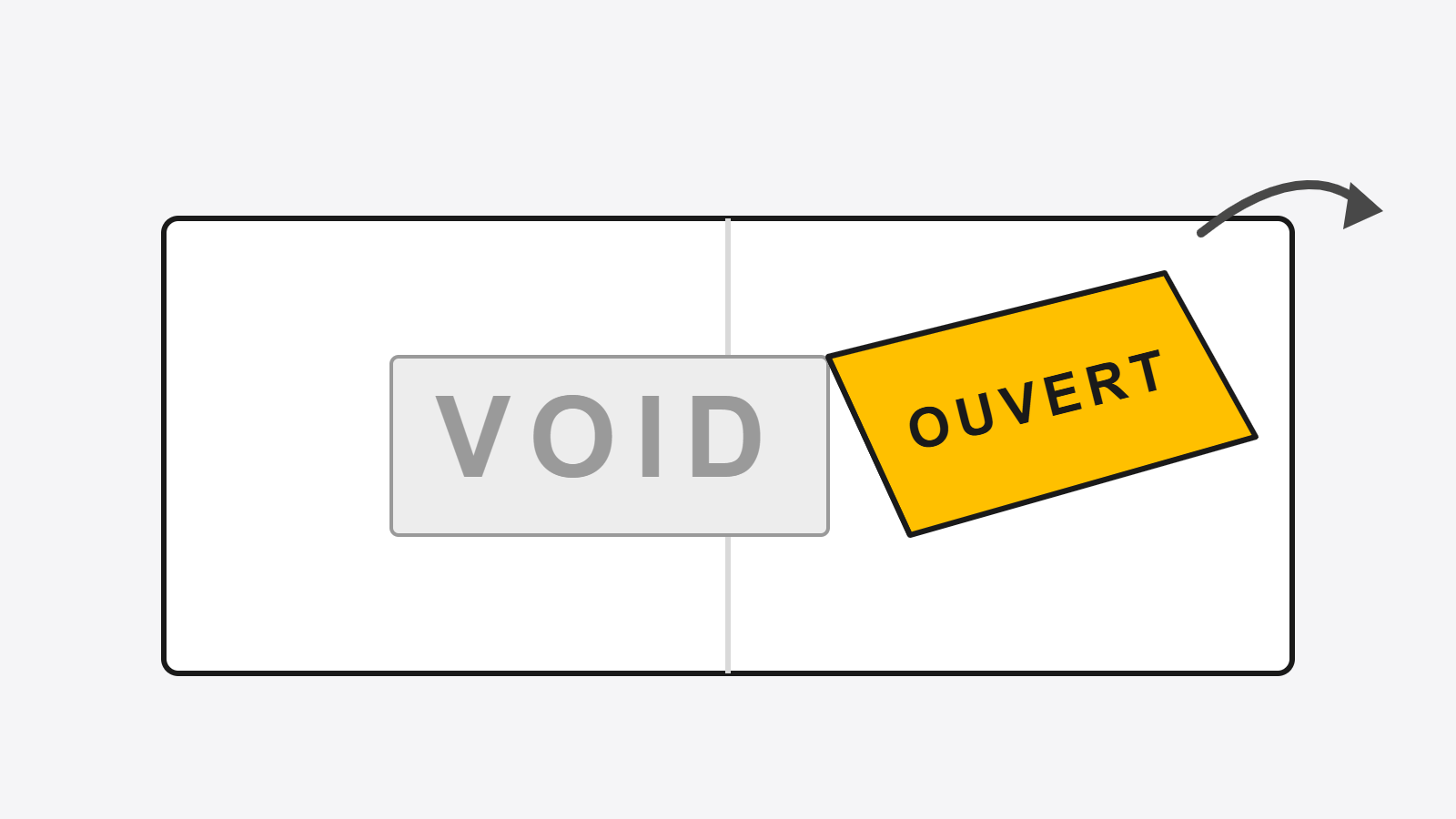
This logic rests on a simple principle: the first opening must cause a permanent change of state in the device, impossible to reconstitute without special equipment and skills. That change can be a hidden message appearing (VOID label), an adhesive that tears randomly, a seal that breaks, or a glued closure that leaves visible residue. The end goal is always the same: to give the recipient or the inspector immediate, reliable visual information.

In a B2B context, this type of label or seal performs three functions: deterring opportunistic handling, proving integrity at the point of receipt, and creating a chain of responsibility between sender, carrier and recipient.

Tamper evident, tamper resistant, tamper proof: 3 levels not to confuse

Tamper evident, tamper resistant and tamper proof describe three distinct levels of protection that buyers often confuse. The difference lies in what the device guarantees: the proof, the resistance, or the impossibility of opening.

LevelWhat the device guaranteesConcrete example
Tamper evidentMakes handling visible after the event.VOID label leaving an "OPENED" message
Tamper resistantSlows down and complicates handling.Metal cable seal, steel bolt seal
Tamper proofClaims to make opening impossible.Largely theoretical, often a marketing term

Tamper evident is the level most used in practice, because it combines controlled cost, fast application and the legal value of the proof. Tamper resistant is added when you need both to physically deter and to prove handling, typically on sea containers or valuables transport. The term tamper proof should be handled with care: no packaging is genuinely inviolable, only the difficulty of breaking in varies.

For a B2B purchase, the question is not "which level is best", but "which level matches my real risk": a pharmaceutical carton does not need a steel bolt seal, and a sea container cannot make do with a VOID adhesive.

How does a tamper evident device work?

A tamper evident device works by irreversibly altering its own structure at the moment of first opening. Three physical mechanisms combine depending on the technology: differential adhesion failure, mechanical destruction, and chemical or visual revelation.

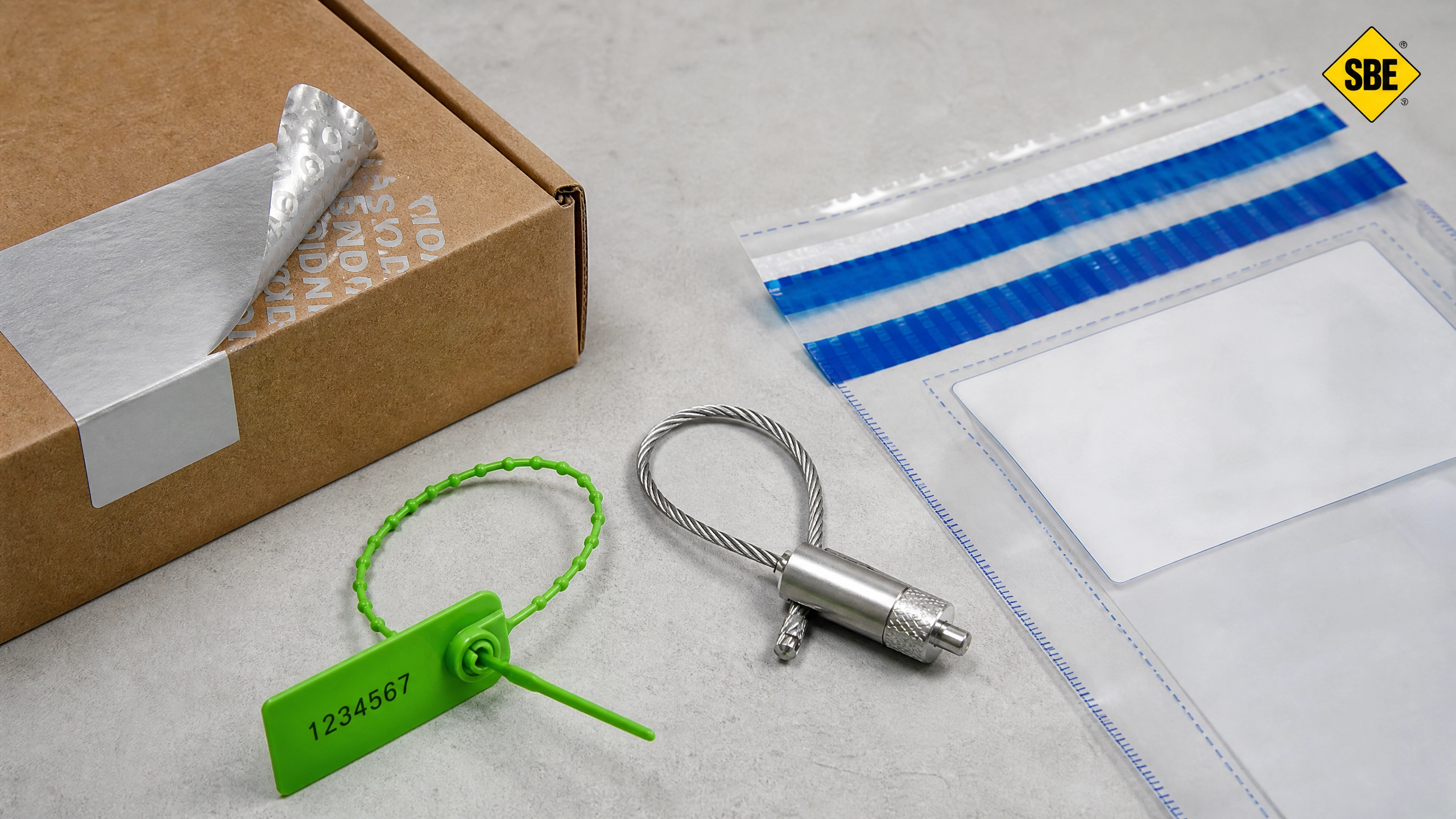
Differential adhesion failure is the principle behind VOID labels: two adhesive layers of different strength are superimposed. When the label is peeled off, the upper layer leaves a pattern ("VOID", "OPENED", chequerboard) on the surface, a pattern that cannot be cleanly re-stuck.

Mechanical destruction applies to plastic seals, metal seals and cable seals: moving into the locked position is one-way, and any reopening requires cutting the seal body, which destroys its unique number and its continuity. Security adhesive tapes use a fragmented film that tears randomly when someone tries to peel it, preventing any invisible reapplication.

Visual revelation finally relies on thermochromic inks, tearable holograms or micro-textured patterns that become illegible at the slightest handling. This category of indicator is common on electronics warranty labels and sensitive documents.

The main families of tamper evident devices

The main families of tamper evident devices cover the full range of industrial and logistics use cases. Each family suits a substrate (carton, bag, blister, container), a level of risk and a specific application constraint.

VOID labels

VOID labels are the most common tamper evident solution on carton packaging and product packaging. Once applied, any attempt to peel them reveals a hidden message ("VOID", "OPENED") on the surface and on the label itself, making any reuse immediately visible.

They come in several finishes: total void (message on both faces), partial void (message on the surface only), chequerboard void or fading pattern. The choice depends on the contrast required and the type of surface (kraft, white carton, plastic film). The VOID labels catalogue covers applications as varied as sealing e-commerce parcels, securing IT cabinets and protecting HR files.

Sealing labels

Sealing labels close a package or a product joint with a destructible film that fragments when pulled. Unlike the VOID label, which leaves a message, the sealing label simply tears into small pieces, making any re-sticking impossible.

This type of label is particularly suited to food cartons, pharmaceutical boxes and logistics packaging where the visual "before/after" trace is enough to establish proof. The security labels range includes these destructible solutions with personalised printing (logo, number, date), useful for tracing each unit shipped.

Security seals (plastic, metal, cable)

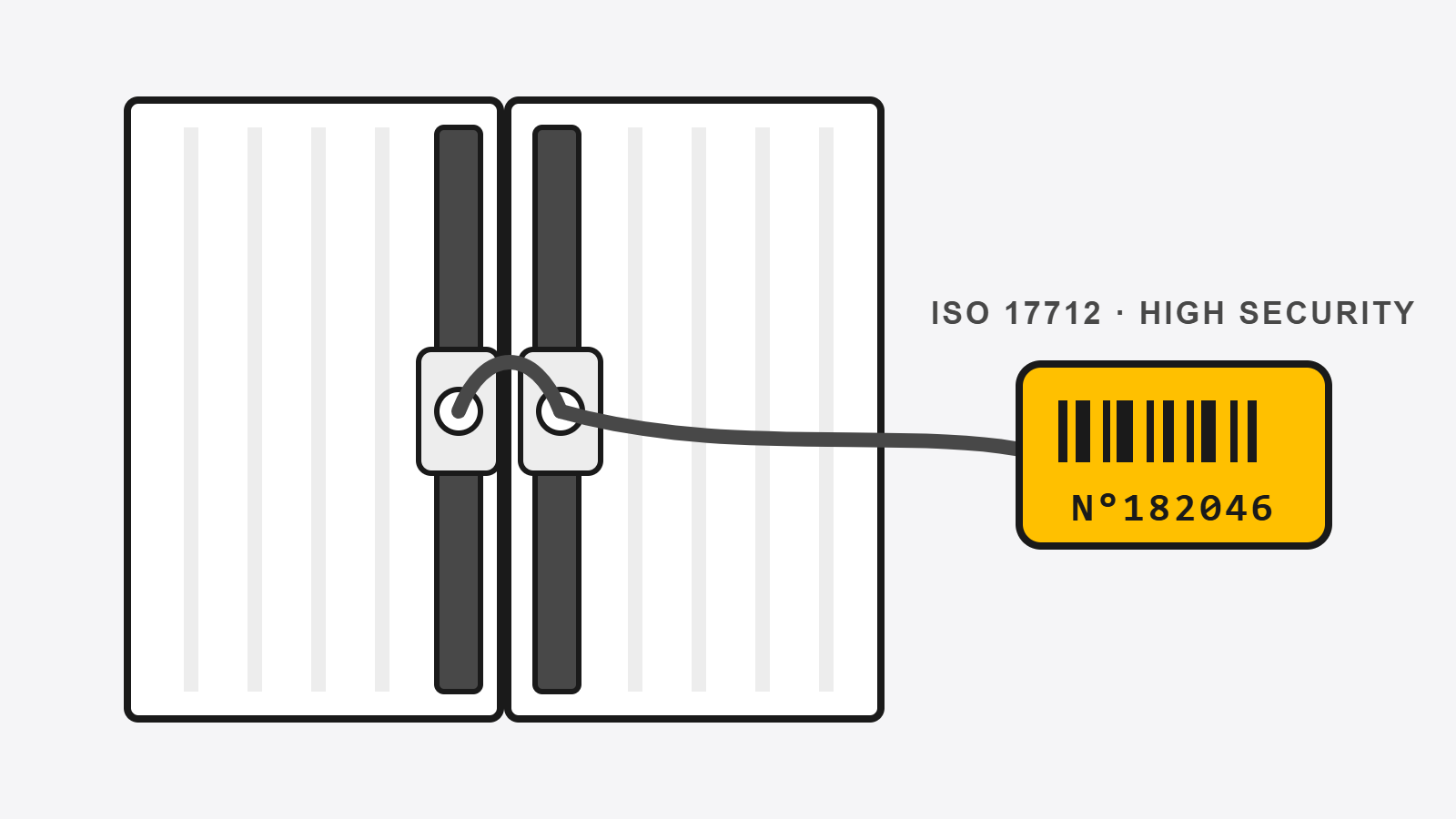
Security seals are single-use devices that lock an opening (lorry door, container, drum, or electrical terminal) and destroy themselves if access is attempted. They exist in three technologies: plastic with progressive tightening, non-deformable metal, and steel loop cable.

Plastic seals suit moderate-risk applications: collection bags, hospital trolleys, and technical doors. Metal seals and cable seals meet the requirements of sea containers and high-security transport, with ISO 17712:2013 compliance for the "Security" and "High Security" levels. Every seal carries a unique engraved or laser-marked number, an essential condition for proving integrity at a precise moment.

Security adhesive tapes

Security adhesive tapes close a carton or package along its full length with an irreversible-adhesion film. Any attempt to peel it tears the tape into fragments or reveals a VOID message along the strip.

This industrial format is preferred when the surface to protect is long (central carton closure, joint between two cases, pallet strapping). A personalised security adhesive tape combines tamper evident protection with brand communication: the printed message can include the sender name, a batch number or a "secured parcel" pictogram.

Tamper-proof bags and envelopes

Tamper-proof bags and envelopes combine a multilayer plastic film with a destructible closing strip to transport documents, valuables, medical samples or evidence. Once stuck, the strip becomes inseparable from the film: any attempt to open it leaves visible marks (VOID, lifting, tearing) that can no longer be concealed.

Each tamper-proof envelope carries a unique number reproduced on a detachable stub, allowing a direct match between sender, carrier and recipient. This category of secure bag is widely used by banks, analysis laboratories and law enforcement.

Glued closures

Glued closures represent tamper evident protection built into the packaging itself: a pharmaceutical carton flap glued across its full surface can no longer be opened without tearing the material. Unlike an added label, the glued closure is part of the original packaging.

This format is required by European regulations on prescription medicines: the first opening must visibly destroy the structure of the carton. Manufacturers often combine a glued closure with a VOID label to reinforce traceability and make visual checking easier in the pharmacy.

In which sectors is tamper evident mandatory or essential?

Tamper evident protection is mandatory or essential in five major sectors, each governed by a specific regulation or standard. The question is not "should we fit it", but "which device matches the level my industry requires".

Pharmaceuticals, transport and logistics, food, cash transport, sealed equipment: each sector imposes its own framework, from EN 16679 on medicine boxes to ISO 17712:2013 on sea containers.

Pharmaceutical: tamper evident and serialisation are mandatory

Tamper evident protection has been mandatory in pharmaceuticals since Directive 2011/62/EU (the "falsified medicines directive") and Delegated Regulation (EU) 2016/161 came into force. Every prescription medicine marketed in the European Union must carry two safety features: a serialised unique identifier and a visible anti-tampering device.

Standard EN 16679:2014 sets out the technical characteristics of that anti-tampering device: glued flap, VOID label, shrink film or destructible strip. The aim is twofold: to assure the patient that the box has not been opened since it left the factory, and to allow the pharmacist to verify the integrity of each box before dispensing. This regulatory framework makes pharmaceuticals the most mature user of tamper evident solutions.

Transport and logistics: tamper evident seals compliant with ISO 17712

In transport and logistics, tamper evident seals are governed by ISO 17712:2013, which classifies mechanical seals into three levels: Indicative, Security and High Security. This classification applies to any international container, notably in trade covered by the TIR Convention and customs security programmes such as C-TPAT (United States) or AEO (European Union).

The High Security (H) level is required on sea containers: hardened steel bolt seal, indelible laser marking, tensile strength above 10 kN. Logistics warehouses and road hauliers also use numbered plastic seals for urban deliveries and multi-drop rounds. The combination of seal plus digital traceability forms the basis of an auditable supply chain.

Food industry: tamper evident devices for product integrity

In the food industry, tamper evident protection is a matter of food safety and consumer trust, governed by Regulation (EC) No 178/2002 on traceability and by the IFS and BRC standards for auditing production sites. Tamper evident devices guarantee that the food product has not been altered between leaving the factory and reaching the point of sale.

The most frequent solutions are heat-sealed aluminium lidding, tear-off skirt capsules, shrink films over caps, and VOID labels on secondary packaging. For sensitive products (infant nutrition, supplements, premium drinks), a dual device is common: internal lidding plus an external film or label.

Cash and sensitive document transport: tamper-proof bags and envelopes

Cash and sensitive document transport relies entirely on tamper evident devices. Banks, bailiffs, biological analysis laboratories and law enforcement use numbered tamper-proof bags and envelopes to establish a verifiable chain of custody.

Each bag carries a unique number reproduced on a detachable stub, making it possible to trace precisely who sealed it, who transported it and who received it. Any unauthorised intervention triggers a VOID message or tears the film, making the envelope inadmissible as evidence. This type of device is central to handling medical samples, judicial seals and evidence.

IT, meters and sealed equipment: VOID labels on sensitive assets

On IT equipment, meters and sealed hardware, tamper evident protection serves to safeguard the manufacturer warranty, metrological compliance and configuration integrity. A VOID label stuck over an access screw proves that an enclosure has not been opened between delivery and first commissioning.

Energy meters, server racks, cash drawers and medical equipment systematically carry these sealing labels. In the event of a dispute over a fault or a consumption reading, an intact VOID label makes it possible to distinguish an original defect from unauthorised intervention. Some public bodies require this type of seal on ballot boxes, safes and sensitive archives.

How to choose your tamper evident device?

Choosing your tamper evident device comes down to crossing four criteria: the substrate to be sealed, the level of risk, the regulatory requirement of the sector, and the method of checking downstream.

CriterionQuestion to askPreferred solutions
SubstrateCarton, bag, door, joint, bottle?VOID label for carton, plastic seal for a door, lid for a bottle
RiskOpportunistic handling or organized intrusion?VOID for low risk, metal or cable seal for high-risk
RegulationRegulated sector (pharma, logistics, food)?Check EN 16679, ISO 17712, IFS/BRC depending on industry
Downstream checkSimple visual check or digital traceability?Printed label for visual, numbered seal for traceability

Three frequent B2B purchasing mistakes are worth flagging:

  • Over-specifying: ordering a high-security steel seal for low-risk urban rounds increases cost with no real gain in security.
  • Underestimating the substrate: a standard VOID label will not hold on rough kraft carton or greasy polyethylene film, so a special adhesive is needed.
  • Forgetting the check: a tamper-evident device with no verification procedure on receipt serves no purpose.

For a first rollout, the right reflex is to request samples of the device under consideration and to test its application and hold on the real production substrate. The product pages in the security seals and security labels catalogue state the temperatures, adhesives, and standards each reference is compatible with.

Tamper evident, an essential building block of product security

Tamper evident protection is not a marketing layer added to a package, but an operational security building block that turns every fraudulent handling into usable evidence. From a VOID label on an e-commerce carton to a High Security seal on a sea container, each device answers a precise pairing: level of risk plus regulatory requirement. Choosing the right solution means qualifying the substrate, checking the standards applicable to the sector (EN 16679 in pharma, ISO 17712 in logistics) and defining the receipt checking procedure up front. It is that combination, device plus procedure, that gives a tamper evident system its legal and operational value.

Need a tamper evident device matched to your risk?

VOID labels, plastic, metal and cable seals, numbered tamper-proof envelopes.

View security seals →

Continue reading...
These articles too might interest you.

Judicial seals: everything you need to know

This practical guide explains what a judicial seal is, its six main families, the French legal framework (Articles 56 and 434‑22 of the Code of Criminal Procedure), the international ISO 17712:2013 standard, and the key selection criteria for your line of work. You will find official AGRASC figures, legal retention periods, and tamper‑evident solutions offered by SBE Direct, a B2B supplier for public authorities and law‑enforcement agencies since 1992. A judicial seal secures evidence, seized items or sensitive documents as part of criminal, customs, or administrative proceedings, and each profession has its own technical requirements: police officers, bailiffs, customs officers, court‑appointed experts, or compliance managers. Which seal should you use on a seized container? How long must it be kept? What are the risks in case of seal tampering or removal? This comprehensive guide provides clear, referenced answers to all these questions.
Product News
Melissa Oumaouche
4134 views

Plastic seals: what are they for and how do they work?

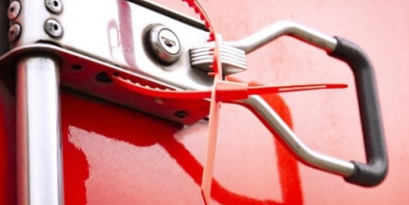
The plastic seal with progressive tightening is used in many fields, such as logistics, transport, emergency exits, fire extinguishers, medicine cabinets... their operation may seem imprecise and confusing, we will understand in which context it is preferable to use this type of seal and also understand their opening/closing system. 

Product News
10999 views

Frequently asked questions

Can a tamper evident label be removed without leaving a trace?

No a properly designed tamper evident device cannot be removed without leaving a visible, permanent trace. That is precisely its purpose: the upper and lower adhesive layers have calibrated bonding strengths engineered to separate and leave a pattern ("VOID", "OPENED", chequerboard) on the surface, a pattern that removal cannot reconstruct. Attempts to peel the label off cold, with heat or with solvents either trigger the immediate appearance of the message or cause visible destruction of the film. For very high-risk applications, dual-layer VOID labels add a microtextured pattern that makes any in-house reproduction impossible.

Is tamper evidence mandatory for medicines?

Yes, tamper evidence has been mandatory for prescription medicines marketed in the European Union since 9 February 2019. Delegated Regulation (EU) 2016/161, adopted under Directive 2011/62/EU on falsified medicines, requires two safety features on every pack: a serialised unique identifier (Datamatrix code) and a visible anti-tampering device. Standard EN 16679:2014 sets out the technical characteristics of this second device: glued flap, VOID label, shrink film or destructible band. The aim of this requirement is to guarantee to both patient and pharmacist that the box has not been opened since leaving the factory. Over-the-counter medicines follow a similar logic, even though the regulatory requirements are less strict.

What is the difference between tamper evident and tamper proofing?

Tamper evident and tamper proofing describe two different logics. Tamper evident guarantees that any manipulation will leave a visible trace: the device does not block opening, it makes it undeniable after the fact. Tamper proofing (or "tamper proof") claims to make opening physically impossible a largely theoretical notion, since no packaging is entirely tamper-proof. In practice, B2B buyers favour tamper evident for its evidential value, possibly combined with a tamper resistant device (metal seal, steel cable) when intrusion also needs to be slowed down.

How do I check that a tamper evident device complies with my industry regulations?

To verify the compliance of a tamper evident device, cross-check three documents: the supplier's technical datasheet (adhesive, materials, resistance ratings), the applicable industry standard (EN 16679 for pharma, ISO 17712 for containers, IFS/BRC for food) and, where necessary, an independent test report. A High Security security seal compliant with ISO 17712 must, for instance, carry the level marking (Indicative, Security, High Security) and the name of the certifying laboratory. For pharma applications, the product sheet must explicitly reference standard EN 16679:2014.

Comment garantir la conformité aux réglementations et aux normes de sécurité lors de la gestion de nos immobilisations et de nos documents ?

Pour répondre aux exigences légales, assurez-vous d’une gestion rigoureuse des immobilisations et des données. Nos solutions facilitent la documentation complète de vos actifs et garantissent une conformité continue avec les normes en vigueur.

Quelles sont les solutions personnalisées disponibles pour répondre à nos besoins uniques en matière de gestion des immobilisations ?

Vos enjeux sont spécifiques, vos solutions doivent l’être aussi. En modulant nos offres selon vos contraintes métiers, nous vous permettons de disposer d’outils flexibles et performants, parfaitement alignés sur vos priorités et vos attentes.

See the author's articles
Melissa Oumaouche

With over 5 years of experience in creating content optimized for search engines, Mélissa is currently Marketing & Product Manager at SBE Direct, where she leads the product catalogue positioning across the e-commerce website and marketplaces, as well as the SEO content strategy in coordination with the marketing team she oversees.

We use cookies to improve your experience.