This guide explains everything about the textile heat press: what it does, the difference between flex and flock, the types of machines and the criteria to choose yours. You will find a simple method, a use-case table and the points to check before buying.

Marking a logo on workwear, flocking T-shirts for an event, applying a label that survives washing: in all these cases, the textile heat press is the key tool. It applies a design or a label onto fabric through a combination of heat and pressure, in a few seconds. But between a small manual press and an automatic twin-platen machine, how do you know which one fits your need? This guide answers the question simply, starting from your real use rather than the datasheets, whether you are new to textile marking or equipping a workshop. To see the related consumables, you can also browse the textile labels range.

What Is a Textile Heat Press?

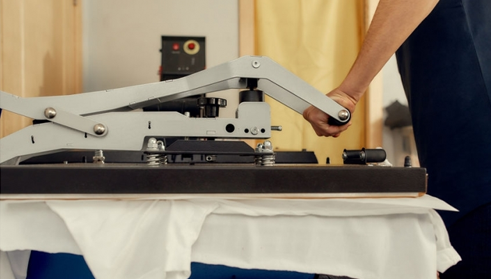
A textile heat press is a machine that fixes a design or a label onto fabric by combining heat and pressure. It is used for flocking, for transferring logos, numbers or images, and for heat-sealing labels. In a few seconds, the marking becomes part of the textile and then withstands washing.

The principle is simple: you place the fabric on a heated platen, position the design on top, then close the press to apply a set heat and pressure for a precise time. This trio temperature, pressure, duration  is what guarantees durable adhesion.

Compared with a direct-to-garment (DTG) printer, the heat press is more affordable, quicker to learn and easier to maintain, which makes it a solid entry point for professional customisation.

Flocking, Flex, Flock: The Words to Know

Flocking means bonding a cut material onto a textile using the heat press. Two materials dominate: flex, a smooth vinyl that becomes part of the fabric, and flock, with a velvet feel. The choice depends on the visual and tactile result you want.

Both materials come as heat-transfer sheets that you cut to the required design, then fix with the press. Flex suits fine logos, numbers and precise visuals. Flock, with its fuzzy texture, is favoured for accessories and children's textiles. The table below sums up the difference.

CriterionFlexFlock
AppearanceSmooth, matt or glossyVelvet, light relief
FeelThin, becomes part of the fabricSoft, fuzzy
Typical useFine logos, numbers, precise visualsAccessories, children's textiles, premium effect

The Types of Heat Press

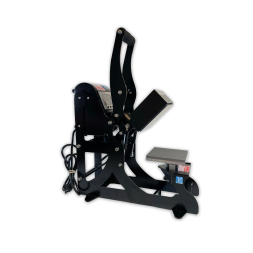
There are four main types of textile heat press: the manual press without automatic opening, the manual press with automatic opening (sometimes pneumatic), and the twin-platen press with automatic pressure. The more automated the press, the faster and more comfortable it is, but the bulkier and more expensive too.

  • Manual without auto opening: reliable and affordable, ideal for small volumes or occasional use.
  • Manual with auto opening (± pneumatic): easier handling and more precise positioning, for regular use.
  • Twin-platen with auto pressure: high-performance, it runs markings without downtime and limits burn risks, for large volumes.

SBE offers a textile heat press with magnetic locking, with automatic opening, a digital display and a 3-year warranty, suited to regular professional use.

How to Use a Textile Heat Press

To use a textile heat press, set it on a flat surface, set the temperature and time according to the material, place the fabric then the design on the platen, close to press, then open and remove the carrier. The right temperature-time setting is the key to a marking that survives washing.

  1. Place the press on a stable table and let it preheat.
  2. Set the temperature and time by material: according to flex and flock manufacturers, this is usually around 150 to 170 °C for 15 to 20 seconds.
  3. Lay the garment flat, then position the design where you want it.
  4. Close the press and let it work for the set time.
  5. Open, let it cool if needed, then peel off the carrier film.

Good to know: some presses do not switch off automatically. Always open the platen after the heating time to avoid scorching the fabric. To produce your own labels upstream, a textile label printing kit complements the press well.

The 5 Criteria to Choose Your Textile Heat Press

Five criteria are enough: the platen size (markable area), the pressure (marking uniformity), the temperature accuracy, the level of automation (throughput) and the budget with after-sales support. The right trade-off depends on the volume you plan to produce.

  1. Platen size. It sets the area you can mark in one go: small format for logos, large platen for visuals on the back of a garment.
  2. Pressure. Even pressure ensures consistent adhesion, especially on thick fabrics.
  3. Temperature accuracy. A reliable digital display prevents failed markings and protects the textile.
  4. Level of automation. Automatic opening and assisted pressure save time and reduce fatigue on large volumes.
  5. Budget and after-sales. Look at the price, but also the warranty and parts availability: a repairable press lasts for years.

Which Professional Use for a Textile Heat Press?

The textile heat press is used to mark workwear, for event customisation, for school and club textiles, and for creative workshops. The recommended press type depends directly on the volume and regularity of production.

Your useMain needRecommended type
Occasional customisationSmall volumes, controlled budgetManual press without auto opening
Regular workshop, eventsPrecision, comfortManual press with auto opening
Series productionThroughput, large areasTwin-platen with auto pressure
Workwear markingWash resistance, consistencyPro press + technical flex

Heat Press, Textile Labels and RFID Traceability

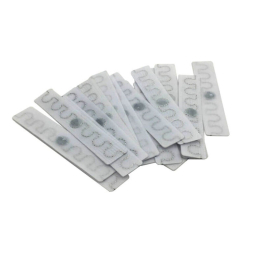
Beyond decorative flocking, the heat press is also used to bond technical labels, including RFID textile labels. These labels add a layer of traceability: garment identification, industrial laundry tracking, kit management.

An iron-on RFID textile label is fixed with the press (for example at 205 °C for 12 seconds) and then withstands high-temperature washing. It turns a simple marked garment into an individually tracked asset. To understand this marking-plus-tracking combination, read our article on RFID and textile labels. For simple marking without electronics, iron-on textile labels remain the most direct solution.

In Short: Choosing Your Textile Heat Press

Start from your volume and use, not price alone. Identify the useful platen size, the level of automation you need, then check temperature accuracy, pressure and after-sales support. Occasional use is happy with a manual press; regular production justifies automatic opening; a series calls for a twin-platen. If you also produce your labels, think about the right printer: our guide to choosing your label printer rounds out this decision. Chosen well, a textile heat press becomes a profitable, durable tool for all your marking.

Updated August 2026.

Continue reading...
These articles too might interest you.

Label printer: the right choice

You need to print your own labels, but with the different printing technologies, roll sizes, compatible software, and types of ribbons, it’s often difficult to know where to start. No worries: by answering just a few simple questions, you’ll know exactly which label printer is right for you.
SBE advise you
Tanya Bicki
5462 views

RFID textile labels: understanding, choosing and deploying traceability in ready-to-wear

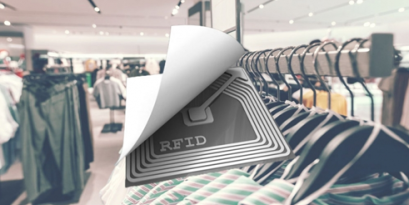
Textile RFID labels are identification carriers built around a microchip and a radio antenna, sewn, heat sealed or attached to a garment, storing a unique identifier (EPC) that can be read at distance with no contact and no line of sight. This guide covers their construction, how they work and how they differ from barcodes and conventional EAS tags, then compares the available formats (heat seal, sew in, woven, adhesive, hangtag) and the HF, UHF and NFC frequencies by use case. It also details the measured benefits for apparel retail (inventory accuracy, replenishment, shrinkage control), field use cases from leading brands, combined RFID + EAS protection, selection criteria and the printer, reader and software ecosystem required to deploy.
SBE advise you
Melissa Oumaouche
22331 views

How to create a useful, relevant textile label

A well-designed textile label meets regulations and helps the user. Mandatory information (composition, language, fixing), recommended details (size, origin, care), ISO 3758 symbols, sew-on or iron-on types and creation steps: this guide helps you create a compliant, long-lasting label, right through to the RFID option for traceability.

SBE advise you
Melissa Oumaouche
14983 views

FAQ - Textile Heat Press

What is the difference between flex and flock?

Flex is a smooth vinyl that becomes part of the fabric: it suits fine logos, numbers and precise visuals. Flock has a velvet feel, slightly raised, favoured for accessories and children's textiles. Both are applied with the heat press, but the visual and tactile result differs. The choice depends on the effect you want, not on how hard they are to apply.

What temperature for a textile heat press?

It depends on the material. According to flex and flock manufacturers, marking is usually done at around 150 to 170 °C for 15 to 20 seconds. An iron-on RFID textile label needs a higher temperature, around 205 °C for 12 seconds. Always follow the consumable's datasheet: the setting is what guarantees wash resistance.

Is a heat press only for professionals?

No. There are simple, affordable manual presses suited to occasional use, such as customising a few T-shirts. Automatic-opening and twin-platen models target workshops and regular production. The right model depends on your volume: a few pieces a month or several dozen a day.

Can you heat-seal a label that survives washing?

Yes. A heat-seal label applied at the right temperature withstands repeated washing, including high temperatures for technical labels. RFID textile labels are designed for industrial laundry and withstand washing at 90 °C. This is what allows workwear or professional linen to be identified and tracked over the long term.

Gear up for textile marking

Magnetic-locking heat press, flex, flock, iron-on and RFID labels. 3-year warranty.

View the textile heat press →
See the author's articles
Melissa Oumaouche

With over 5 years of experience in creating content optimized for search engines, Mélissa is currently Marketing & Product Manager at SBE Direct, where she leads the product catalogue positioning across the e-commerce website and marketplaces, as well as the SEO content strategy in coordination with the marketing team she oversees.

We use cookies to improve your experience.