What is a handheld terminal used for?
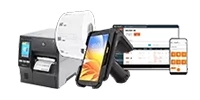
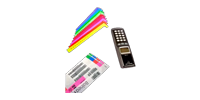
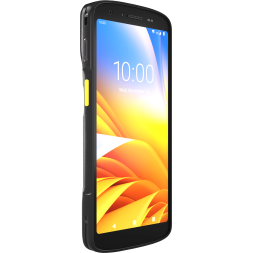
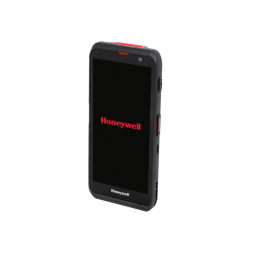
A handheld terminal is a mobile device that reads, collects and transmits data directly in the field. Unlike a simple barcode scanner, it has a built-in processor, screen and memory: it can therefore run business applications, display information in real time and send data to your information system (WMS, ERP) without re-keying. The result: fewer errors, faster inventories and continuous visibility of your operations.
It is mainly used for:
- Stock management and inventory: counting, goods in/out, replenishment;
- Traceability: tracking products, batches and serial numbers from receipt to dispatch;
- Order picking: picking, checking and packing in logistics;
- Asset management: IT equipment, furniture, vehicles, equipment.
Handheld terminal, barcode scanner or smartphone: what are the differences?
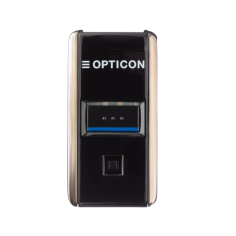
These three devices are often confused. The table below clarifies what each one does:
| Criterion | Barcode scanner | Handheld terminal | Smartphone |
|---|
| Function | Reading only | Reading + data processing | General-purpose use |
|---|
| Processing autonomy | Requires a connected PC | Standalone (processor + memory) | Standalone |
|---|
| Business applications | No | Yes | Limited |
|---|
| STANDARDS Ruggedness (IP, drops) | Variable | Reinforced (intensive use) | Low |
|---|
| Target environment | Fixed workstation | Warehouse, workshop, field | Office, consumer |
|---|
In short: the handheld terminal combines the reading power of a scanner with the intelligence of a computer, in a rugged housing built for demanding environments.
Which reading technology should you choose?
The choice depends on the codes to be read and your distance constraints:
- 1D (linear): standard barcodes (EAN, Code 128) on products and labels;
- 2D / QR code: more data in a smaller space, readable from any angle;
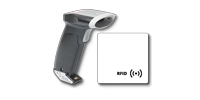
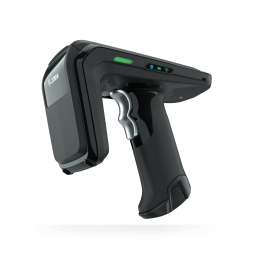
- RFID: reading without line of sight, at a distance and in bulk, ideal for rapid inventory
- OCR: reading printed characters (batch numbers, serial numbers, dates) when no code is available.
How to choose your handheld terminal
Beyond the reading technology, a few criteria determine the right model for your sector:
| Criterion | What to check |
|---|
| Reading distance | From a few centimetres to several metres (high racking, loading dock) |
|---|
| Connectivity | Wi-Fi for large sites, Bluetooth in confined spaces, 4G on the move |
|---|
| Ruggedness | IP rating (water/dust) and drop resistance for intensive use |
|---|
| Battery life | Long enough for a full shift, or even several shifts |
|---|
| Ergonomics | One-handed use, optional pistol grip, screen size |
|---|
| Operating system | Android for application flexibility, physical keypad if needed |
|---|
Our team will help you weigh up these criteria and select the handheld terminal best suited to your business.
A handheld terminal for every sector
Our handheld terminals are used in industry and construction, logistics and transport, healthcare, retail and local authorities. Depending on the use, they range from compact, cost-effective models for simple tasks to fully featured terminals with long battery life for intensive use. …
Planning an equipment project? Let's talk.
Free personalised quote • Samples on request • 24/48h dispatch • Expert advice •Warranty