Shopping Cart
There are no more items in your cart












- Déstockage
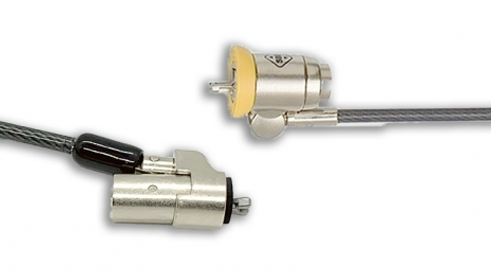
Before you buy an anti-theft cable, it is important to know if it is compatible with your computer. In this article, we present the 3 types of anti-theft cables, specific to a security slot present on a PC.
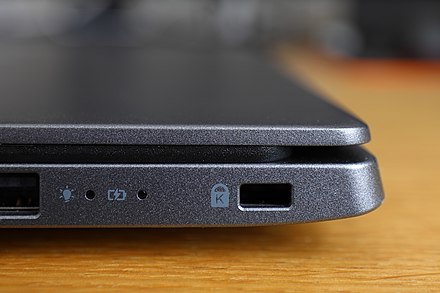
The Kensington security slot (also called Kensington lock or K-lock) is the most common slot found on most PCs, but also on other types of equipment such as televisions and overhead projectors. This rectangular hole measuring 7.4 x 3.2 mm is reinforced around the edge by a metal plate.
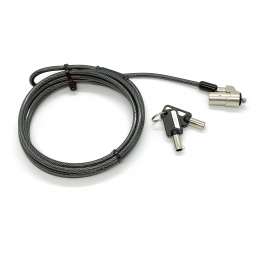
It is designed to accommodate a Kensington-tipped anti-theft cable with a plug-in system. Our anti-theft cable offers a high level of security thanks to its "push to lock" system which allows locking with a single click. This 2m long cable has an excellent resistance to tearing.
A Kensington cable can be locked and unlocked with a cylinder or flat key or a numeric combination.
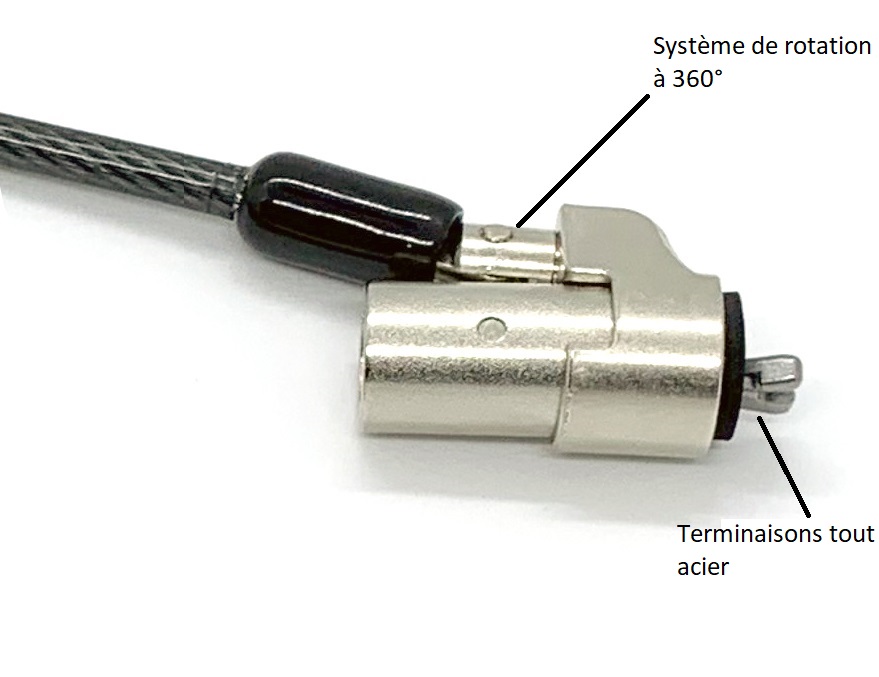
Specific to DELL computers, the Wedge security slot is smaller than the Kensington slot at 4.5 x 3.2 mm.
The Wedge Notch PC Security Cable is locked with a small, non-reproducible cylinder key.
Find our 2m long Safe-Tech Wedge Notch PC Lock Cable made of steel. It will protect your DELL laptops and notebooks. It is fixed in the best possible way thanks to a fine foam shock absorber which prevents any friction that could damage the equipment. In addition, it has a 360° rotating head, useful for turning the key when you have little space.
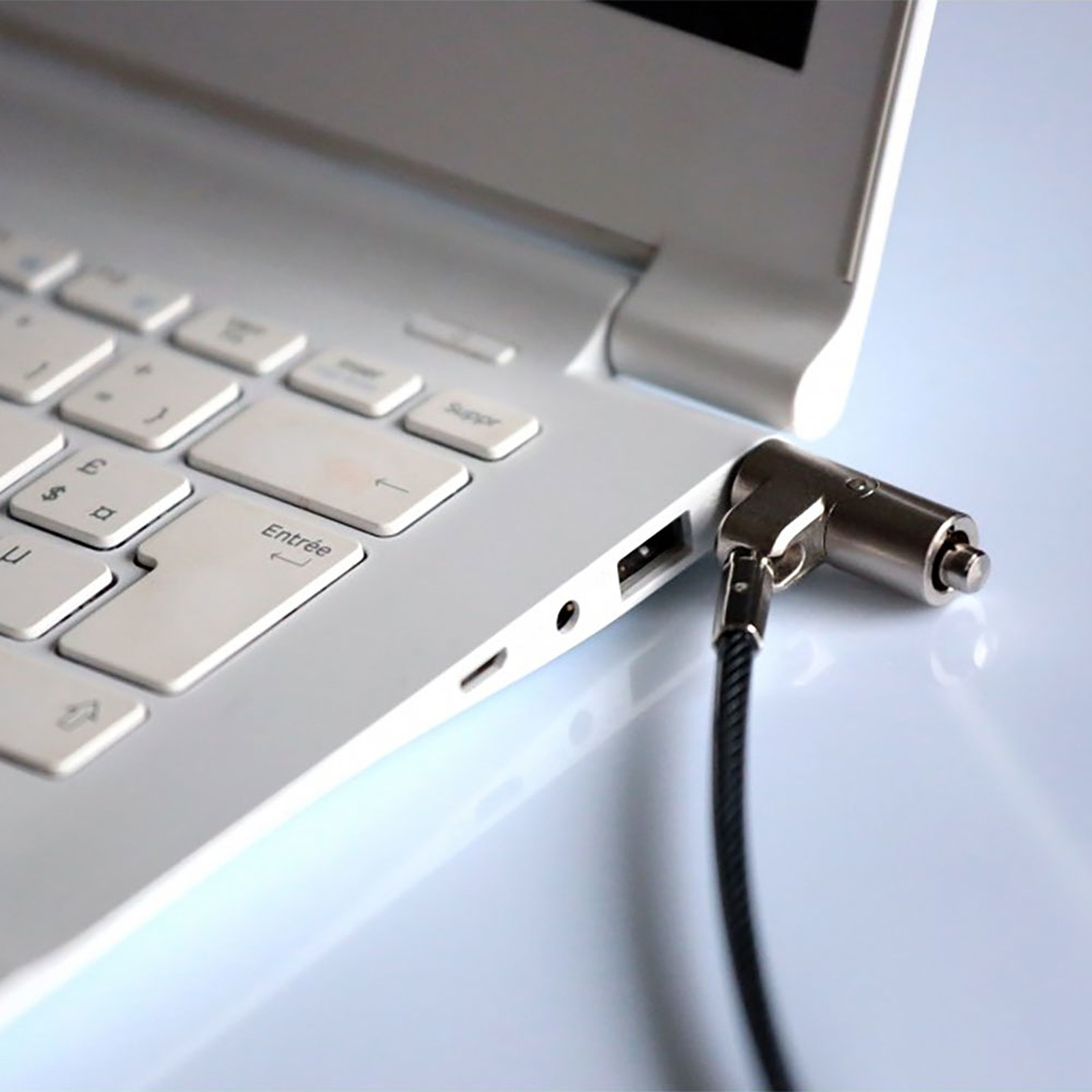
If you have an HP or Samsung computer, you will need a Nano Notch Cable. This one has a size of 2.5 x 6 mm.
All these cables have a small loop at the end, which allows them to be wrapped around a permanent object such as a desk stand or other equipment. These cables are difficult to cut and in the event of an attempted theft, the notch on the computer will be damaged.


With the rapid flow of information and the ubiquity of mobile devices, companies face a growing risk of data breaches. According to TechJury reports, around 34% of French companies have been affected by internal security incidents. In meetings, shared workspaces, or during important events, smartphones, which are now indispensable, can cause problems. Whether intentional or not, a simple smartphone camera can compromise sensitive information, prototypes, or even a company’s strategy.