This 2026 guide explains how identification wristbands allow hotels, holiday clubs, restaurants, spas and resorts to efficiently manage access, differentiated offers and guest security. You will learn how to choose the right material (tyvek, vinyl, silicone, fabric, thermal or RFID), how cashless and room key work in all-inclusive resorts, and how to deploy a profitable wristband system across an establishment or a chain.

Access management has become one of the most strategic operational challenges of hotels and hospitality in 2026. Between differentiated offers (all-inclusive, half-board, spa packages, kids club), reserved zones (pool, restaurant, VIP lounge, fitness) and growing guest expectations of frictionless experience, the equation is complex. A hotel director must identify every guest, control their access rights in real time and deliver a seamless experience, without mobilising a full army of front-desk staff. Identification wristbands have emerged as the operational answer: easy to distribute, hard to forge, instantly readable, they compress a strategic function into a few grams of material - telling at a glance who is entitled to be where and to consume what.

Why access management is the critical point of hospitality in 2026

Hospitality access management combines three challenges: the growing diversity of offers, the fight against fraud and gate-crashing, and the demand for a frictionless experience. Identification wristbands solve all three simultaneously - instant identification, fraud prevention, flow fluidification - without requiring extra staff.

Offer complexity has exploded since 2020. An average 4-star hotel now runs 6 to 10 seasonal pricing formulas with differentiated access to pool, spa, restaurant or kids club. An all-inclusive resort may reach 15 formulas. Without an immediate visual support, every guest interaction becomes a cognitive transaction. Multiplied by 500 guests a day, operational cost becomes unsustainable.

Fraud and gate-crashing represent a silent but massive loss. A 2024 PwC Hospitality study estimates F&B revenue loss from unauthorised consumption at 3 to 5% of turnover. On a 400-guest resort with an average daily basket of £100, this represents £430 000 to £730 000 of annual lost revenue. A named or coded wristband mechanically solves this.

Frictionless experience is the third demand. Guests review (Booking, TripAdvisor, Google) and poor access management rapidly damages online reputation. Wristbands, worn 24/7, are recognised everywhere instantly. Based on our field deployments in hospitality identification, an establishment adopting wristbands reduces average front-desk, restaurant and spa handling time by 25 to 35% within the first season.

The identification wristband: operational foundation of modern access management

An identification wristband is a wrist-worn support, distributed on guest arrival, which materialises access rights and offer level through a colour code, named marking, barcode or RFID chip. It turns administrative information into a visual or electronic signal instantly usable by all teams, without consulting an IT system.

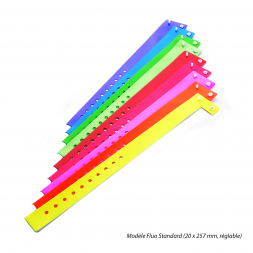
The guest arrives, booking is confirmed, and a wristband is placed on the wrist for the entire stay. It carries one or several signals: a colour (red = premium all-inclusive, blue = half-board, green = day pass, orange = kid), a logo, a name, a barcode linked to the PMS, or an RFID chip. Staff no longer need to check a card or ticket: the wrist speaks.

Added value over badges or paper tickets is threefold: hard to swap (tamper-evident closure that self-destroys on removal), permanently visible, and fit for humid environments - pool, spa, beach - where standard badges degrade.

Colour coding remains the most universal mechanism: a waiter sees a red wristband and knows they can serve premium cocktails; a pool attendant knows a green one has no spa access. This solves field-level decisions in 2 seconds, with no smartphone or reader. Mature chains combine colour and RFID. Explore the range at SBE Direct identification wristbands.

The 6 main wristband families and their real-world use

Six families structure the market: tyvek (ultra-economy disposable), vinyl (water-resistant), silicone (reusable premium), fabric (woven high-end), thermal (on-site personalisation) and RFID (electronic control). Choice depends on lifecycle, unit budget, environment and security level.

Tyvek - the economy disposable standard

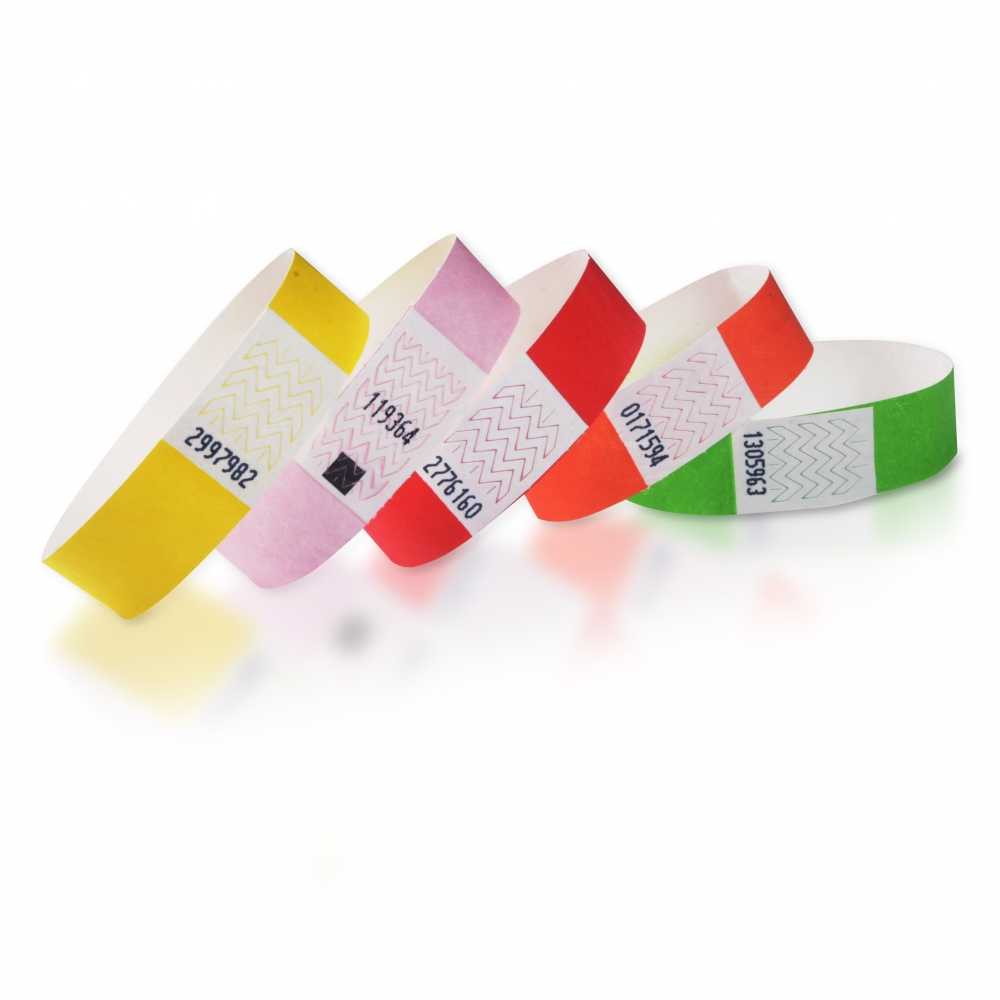
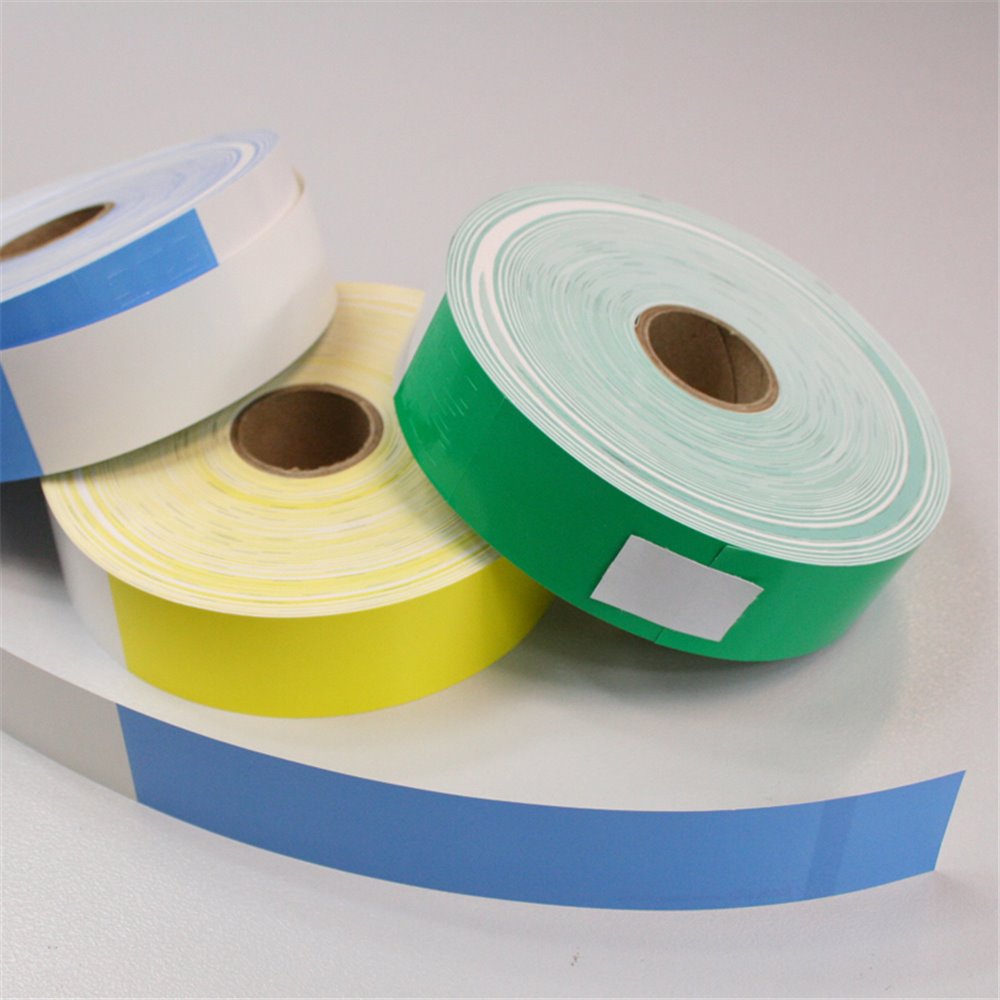
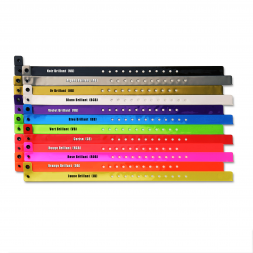
A very thin synthetic-paper support, closed by a tamper-evident adhesive that tears if removal is attempted. Unit cost £0.04 to £0.13 in high volume: the entry level for mass distribution. 18 colours, customised black-on-colour or full-colour quadri. Weakness: not resistant to prolonged water, best for short stays and dry usage.

tyvek wristband for disposable guest identification in hotels
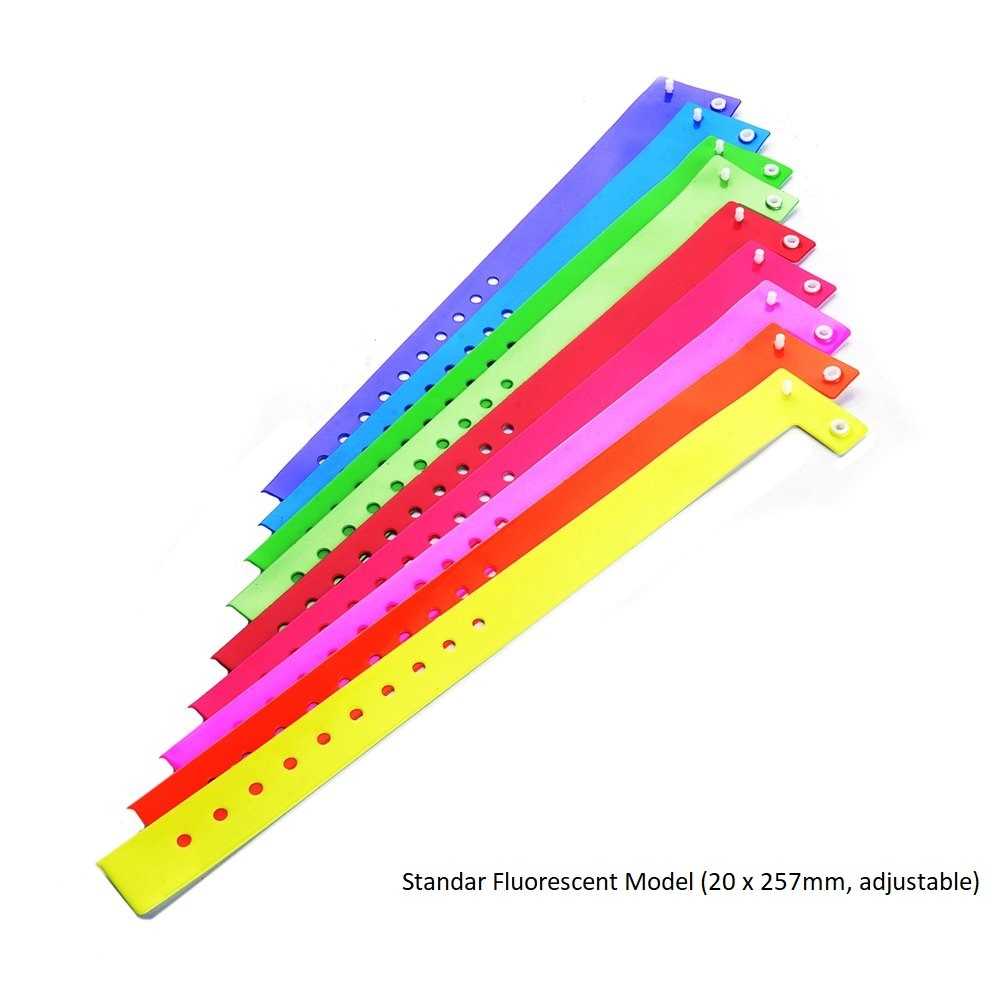
waterproof vinyl wristband for resort and campsite stays

Vinyl - water resistance at controlled cost

Keeps tyvek benefits but adds immersion resistance (pool, sea, shower). Standard for resort stays, 4-5 star campsites and clubs, for 3 to 14 days. Unit cost £0.17 to £0.38. Single-colour or full-colour quadri printing for strong brand identity.

Silicone - reusable and premium

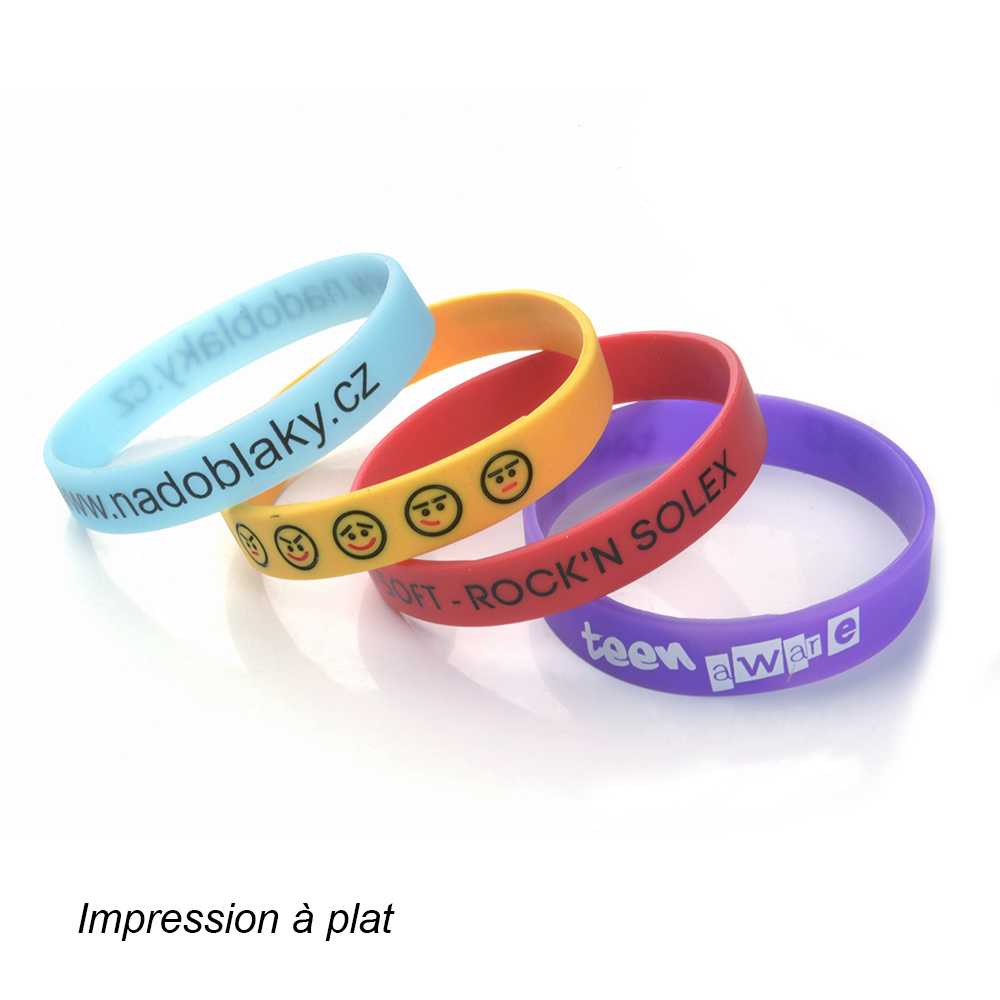
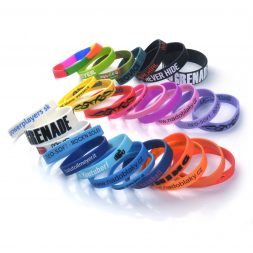
Reusable, withstands hundreds of uses. Flat, embossed or debossed engraving. Preferred when the establishment recovers wristbands (staff, members), when aesthetics matter (spa, 5-star) or for the full season. Unit cost £0.26 to £1.02.

reusable custom silicone wristband for spa and staff access
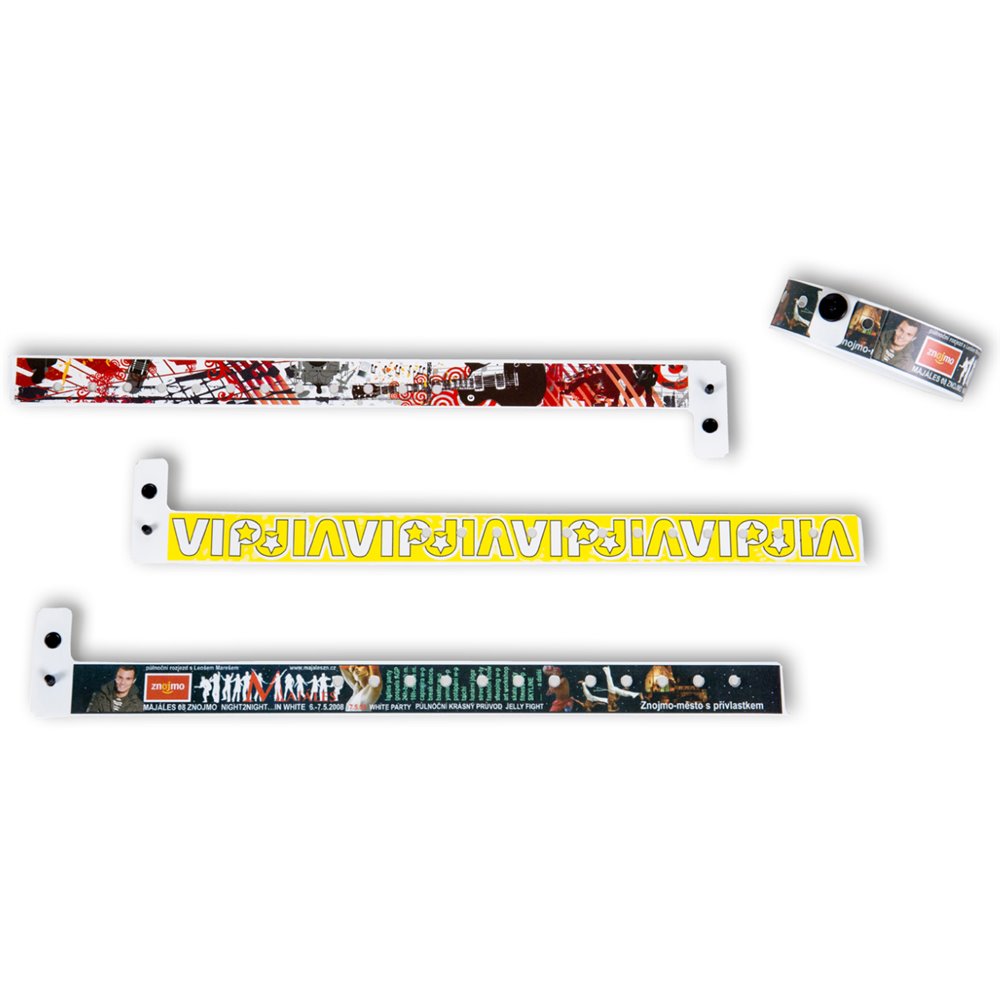
full-colour photo-quality printed wristband for branded events

RFID / NFC - electronic control and cashless

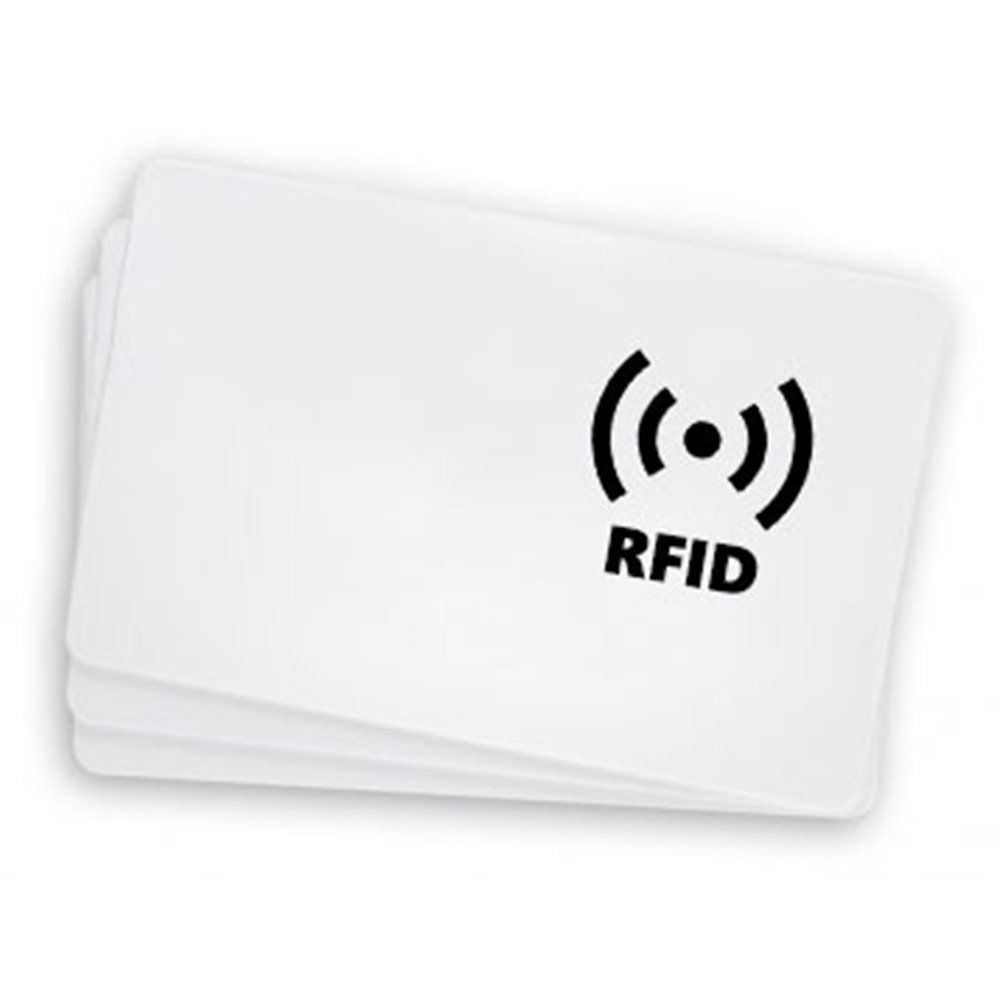
Combines a support (silicone, vinyl, fabric) with a chip (HF/NFC 13.56 MHz or UHF 865-868 MHz). Unlocks three uses: electronic control (gate, room, spa), cashless payment and tracking. Unit cost £0.68 to £3. See our RFID badges and cards category.

Thermal - instant on-site personalisation

Individually personalises each wristband (name, formula, allergies, access right), printed on-the-fly at reception in under 5 seconds. Ideal for named tickets and tight security. Low cost (£0.08 to £0.21) but requires the dedicated printer.

td-2120n thermal wristband printed with guest name at reception
blank rfid card for access control and cashless payment

Fabric - high-end quality and souvenir

Closed with a definitive metal ring, removed only by cutting. Extremely resistant (water, sunscreen, sand), often kept as a souvenir. Unit cost £0.42 to £1.53. The go-to for long stays (10-21 days) and premium clubs.

FamilyWater resistanceReusableTypical stayPersonalisationUnit price
TyvekNoNoDay to 3 nightsLogo, barcode, quadri£0.04 - £0.13
VinylYesNo3 to 14 nightsSingle-colour or quadri£0.17 - £0.38
SiliconeYesYesSeason / permanentEngraving (flat/embossed/debossed)£0.26 - £1.02
FabricYesNo7 to 21 nightsJacquard, sublimation, embroidery£0.42 - £1.53
ThermalNoNoDay to 5 nightsOn-site named printing£0.08 - £0.21
RFID / NFCYes (support-dependent)Yes (silicone)Season, room key, cashlessChip + engraving + printing£0.68 - £3.00

RFID and cashless wristbands: the digital transformation of leisure hospitality

RFID wristbands replace the room key, the payment card, the entertainment ticket and the guest ID in a single object. On an all-inclusive resort, one wristband unlocks the room, charges premium out-of-formula consumption, controls paid spa access, validates activity attendance and feeds the CRM in real time. Field feedback shows ROI achieved in under one season for establishments above 200 rooms.

The chip stores a unique ID linked to the guest file in the PMS. At every interaction, an RFID reader reads the number and queries the system to authorise or reject the action: at the bar it charges based on rights; in the room it replaces the magnetic card; at the spa it validates and charges; in the kids club it records attendance.

Field feedback is documented: Club Med since 2019, Center Parcs since 2018 (room key + Aqua Mundo + payment), Pierre & Vacances since 2021. A 2024 Deloitte Hospitality Trends study reports 62% of European all-inclusive resorts above 200 rooms have switched to RFID wristbands, rising to 78% for international chains.

ROI breaks into three flows: F&B fraud recovery (£215 000 to £340 000/year for a 300-room resort), front-desk cost reduction (3-min vs 8-min check-in), and an 8 to 14% F&B basket increase after cashless. Two frequencies dominate: HF/NFC 13.56 MHz (ISO 14443) for room key and cashless, UHF 865-868 MHz (ISO 18000-63) for long range. For the ecosystem, see our RFID badge readers and our RFID badges and cards.

Detailed use cases by vertical

Each vertical carries specific constraints. Urban hotels, all-inclusive clubs, VIP restaurants, spas and corporate events have different requirements around duration, resistance, personalisation, security and system integration. The right wristband sits at the crossroads of vertical and service level.

Urban 3-4 star chain hotel

Short stays, heavy turnover, low complexity. Solution: personalised tyvek with logo, at check-in. On 200 rooms at 75% occupancy, 55 000 to 60 000 wristbands/year (£3 000 to £6 800) - negligible against fraud reduction.

All-inclusive holiday club

Long stays, maximum complexity, high F&B fraud stake, pool context. Solution: personalised vinyl or fabric for visual control + RFID for cashless and room access. Vertical where RFID ROI is fastest.

Restaurant with VIP zone or private event

Short use, selective control. Solution: personalised coloured tyvek (red VIP, green standard). For loyalty: personalised silicone with logo.

Spa, pool and wellness centre

Humid environment, premium aesthetic. Solution: premium quadri vinyl or engraved silicone for members. RFID handles sauna/hammam entry.

Residential corporate event

2-4 night stay, differentiated packages. Solution: personalised fabric with event logo + colour code by category. For recurring events, RFID for session and included-meal control.

How to choose your wristband: criteria and decision tree

The choice rests on four ranked criteria: stay duration, environment (dry, humid, aquatic), security level (visual, named, cryptographic) and unit budget. The question is not "which wristband to prefer" but "which combination respects my constraints".

Duration dictates the material: tyvek for a day, vinyl for medium stays, fabric and silicone for long stays. Environment splits water-resistant (vinyl, silicone, fabric) from dry materials (tyvek, thermal). Security arbitrates between simple visual, named (thermal) and cryptographic (RFID) control. Budget closes the equation: empirical rule, wristband cost should stay under 0.5% of the average guest basket.

ContextRecommendation
Urban 3-4* hotel - breakfast + poolPersonalised logo tyvek
All-inclusive holiday club - 7-14 nightsQuadri vinyl + RFID cashless
VIP event restaurantColoured tyvek or silicone (loyalty)
Year-round premium spaEngraved silicone + RFID access
Corporate event 2-4 daysPersonalised fabric + RFID session
5* resort long stayFabric + RFID room key + cashless
Named ticketing controlNamed thermal

Personalisation, marking and deployment logistics

Personalisation covers visual identity (logo, colour, text), unit identification (number, barcode, name) and product anchoring (access right, formula, validity dates). Mode depends on support: quadri printing on vinyl and tyvek, engraving on silicone, jacquard on fabric, electronic encoding on RFID.

High-resolution quadri printing delivers the strongest visual output for a modest surcharge (£0.04 to £0.13): the wristband becomes a brand object, photographed on social media. Silicone engraving comes in flat, embossed and debossed (most durable). Unit numbering serves batch traceability and anti-forgery, typically without significant surcharge above 500 units.

Deployment logistics is the underestimated point: a club welcoming 400 Saturday arrivals needs wristbands ready by D-1, sorted by formula, with a 15 to 20% buffer stock. SBE Direct supports deployments above 5 000 units with a logistics recommendation note.

Integration with badges, access cards and readers

A performant deployment plugs into an identification ecosystem: staff badges, room access cards, RFID readers and back-office software (PMS, POS, CRM). Ecosystem coherence determines guest experience quality and operational efficiency.

Staff badges identify personnel, and graphic coherence with guest wristbands enhances readability. Access cards (PVC, HF/UHF RFID, hybrid) handle the room in a non-RFID scenario; in full-RFID the wristband becomes the unique key. RFID readers form the nervous system at entry points.

Back-office integration is the tipping point: the RFID wristband delivers full value only if connected to the PMS (Opera, Mews, Protel), the POS (Micros, Zelty, TCPOS) and the CRM. The wristband is only the sensor; value comes from the data it generates and its exploitation.

The SBE Direct range for hospitality

SBE Direct has been sourcing the full identification chain since 1992. Our event wristband range covers tyvek, vinyl, silicone, fabric and thermal; our festival wristband range offers heavy-duty versions for long stays. For RFID and cashless, our RFID badges and cards category plus our badge readers complete the ecosystem. Express quote within 4 hours, free samples, 24-48h dispatch, volume discounts up to −70%.

Identification wristbands have become the central operational tool of hospitality access management. The choice sits at the crossroads of four criteria (duration, environment, security, budget) and six material families. For resorts and holiday clubs, the shift to RFID cashless wristbands is today the most profitable digital-transformation lever. To go further, explore our people identification universe.

Updated August 2026.

Related products

Continue reading...
These articles too might interest you.

Which bracelet to choose for an event?

Fairs, meetings, seminars, festivals... Whatever the nature of the event, wristbands are a simple, affordable and effective way to communicate about your event and control access more easily. Discover in this article the advantages of our event wristbands available in different materials.

SBE advise you
12174 views

Security: an essential point for the organisation of an event

Organising an event is not an easy task, it is essential to define the retroplanning with the different stages well in advance. Among the different points to anticipate we find security, a mandatory element for the success of an event. In this article, we present you with the different security solutions that comply with legal requirements.

SBE advise you
7698 views

Safety signs: what you need to know

It is very common to see signs in public spaces as well as in businesses. Safety signs are essential in gathering and public environments. But who decides on business signage in France? And more importantly, how do you know which sign to put up and where? 

SBE advise you
12800 views

FAQ - hospitality identification wristbands

Which wristband should I choose for an all-inclusive hotel?

The winning combination is a personalised quadri vinyl wristband paired with an RFID cashless wristband. Vinyl provides field visual control (colour coding, pool resistance over 7-14 nights), the RFID chip handles room access, premium payment and paid sports access. Some resorts combine both in a single wristband (vinyl + embedded NFC). This reduces F&B fraud by 60 to 80%. Budget: £1.30 to £2.55 per guest.

Is an RFID wristband mandatory for cashless in a resort?

No, a cashless system can run on card or app, but RFID wristbands dominate the market: always on the wrist (unlike a card left in the room), functional in humid environments, hard to steal or lend. Every major all-inclusive chain (Club Med, Center Parcs, RIU, Iberostar) has made them their standard. Alternatives are kept as backup.

How much does an identification wristband cost for a hotel?

Expect £0.04 to £0.13 for standard tyvek, £0.17 to £0.38 for quadri vinyl, £0.26 to £1.02 for engraved silicone, £0.42 to £1.53 for jacquard fabric, £0.08 to £0.21 for thermal and £0.68 to £3 for RFID. On a 200-room hotel at 75% occupancy: 55 000-60 000 wristbands/year. To be compared to £260 000-£680 000 in F&B fraud avoided.

Can a wristband replace the room access card?

Yes, with an RFID wristband compatible with the room lock. Nearly every modern lock (SALTO, Assa Abloy, Onity, Kaba) offers HF RFID (13.56 MHz, ISO 14443) versions. The guest presents their wrist, the door opens. Standard at Center Parcs and Club Med. ROI is achieved in under 3 seasons for hotels above 150 rooms.

How can I personalise a wristband in my establishment's colours?

On tyvek and vinyl, high-resolution quadri printing (logo, tagline, frieze). On silicone, flat, embossed or debossed engraving. On fabric, jacquard or sublimation. On thermal, on-the-fly named printing at reception. On RFID, electronic encoding. SBE Direct handles custom orders from 500 units, free graphic proof, 10 to 15 working days lead time.

Equip your establishment with identification wristbands

Tyvek, vinyl, silicone, fabric, thermal, RFID cashless. Express quote within 4 hours and free samples.

View wristbands →
See the author's articles
Melissa Oumaouche

With over 5 years of experience in creating content optimized for search engines, Mélissa is currently Marketing & Product Manager at SBE Direct, where she leads the product catalogue positioning across the e-commerce website and marketplaces, as well as the SEO content strategy in coordination with the marketing team she oversees.

We use cookies to improve your experience.