The judicial seal lies at the heart of every legal proceeding: it guarantees the essential condition on which the value of evidence depends, its integrity. An item seized at a crime scene, a document confiscated during a search, a container held by customs… all must be presentable before a court in the exact state in which they were found. That is precisely its role.

Judicial seal: what is it?

A judicial seal is an instrument of evidence and protection that materializes the legal control taken over an asset by a competent authority. It physically signals that an object, a document, or a location is subject to a conservation measure linked to a legal proceeding. What the law says. The French Code of Criminal Procedure does not legally define the seal. It uses interchangeably the expressions "items placed under judicial custody" or "items placed under seal".

The term "seal" therefore refers to the process used to guarantee that the object, a piece of evidence, is indeed the one that was seized. What the seal concretely creates. Any unauthorized opening, damage, or removal constitutes an offense. Breaking a seal is punishable by 2 years' imprisonment and a €30,000 fine (article 434-22 of the French Penal Code).

In practice, a judicial seal can take the form of a VOID adhesive tape, a secure tie, a plastic seal, or a custom metal seal, depending on the nature of the asset to be protected and the required security level. In the field, a judicial seal combines three functions: identification (unique number, barcode, or RFID chip), physical inviolability (irreversible rupture upon any opening attempt), and administrative traceability (sealing and unsealing official reports).

In what contexts is a judicial seal used?

Judicial seals are used in a wide range of situations:

  • Criminal investigations: seizure of objects, documents or substances at a crime scene or during a search
  • Customs procedures: holding of suspicious goods or containers
  • Protective seizures: safeguarding of assets in civil or commercial disputes
  • Judicial expert assessments: preservation of items submitted for analysis (DNA, traces, digital data)
  • Secure transport: transfer of evidence between services or jurisdictions

What is a judicial seal used for?

Judicial seals secure any item whose integrity determines a court ruling, a customs inspection, a bailiff's report, or a technical expert assessment. They are used in criminal investigations, customs seizures, estate inventories, administrative searches, and, since 2020, in securing seized digital media (phones, hard drives, and servers).

Guaranteeing the integrity of evidence

The purpose of placing items under seal is to keep an object at the disposal of the justice system by preventing it from being altered, modified or substituted. It is the guarantee of the authenticity of a means of evidence. A judicial seal therefore guarantees the integrity, authenticity and traceability of the items concerned, from their seizure to their return, destruction or production before a court.

Preventing any unauthorised handling or opening

The seal creates a visible legal boundary. Any opening attempt leaves an irrefutable physical trace. That is why modern seals incorporate anti-tampering technologies: materials that tear or deform when opened, VOID inks that reveal any peeling attempt, and unique tamper-proof numbering.

Ensuring traceability in legal proceedings

Each seal is referenced: order number, date of installation, description of the asset, identity of the agent. This documentation forms the chain of custody, which must remain unbroken from the seizure to the closure of the proceeding. Without it, evidence may be declared inadmissible.

Who uses judicial seals?

  • Law enforcement agencies: the National Police, the Gendarmerie, and Customs are the primary users. They apply seals during seizures, searches, and inspections.

  • Judicial officers: judicial officers use seals as part of protective seizures, inventories and official reports.
judicial seals on seized equipment during a criminal procedure
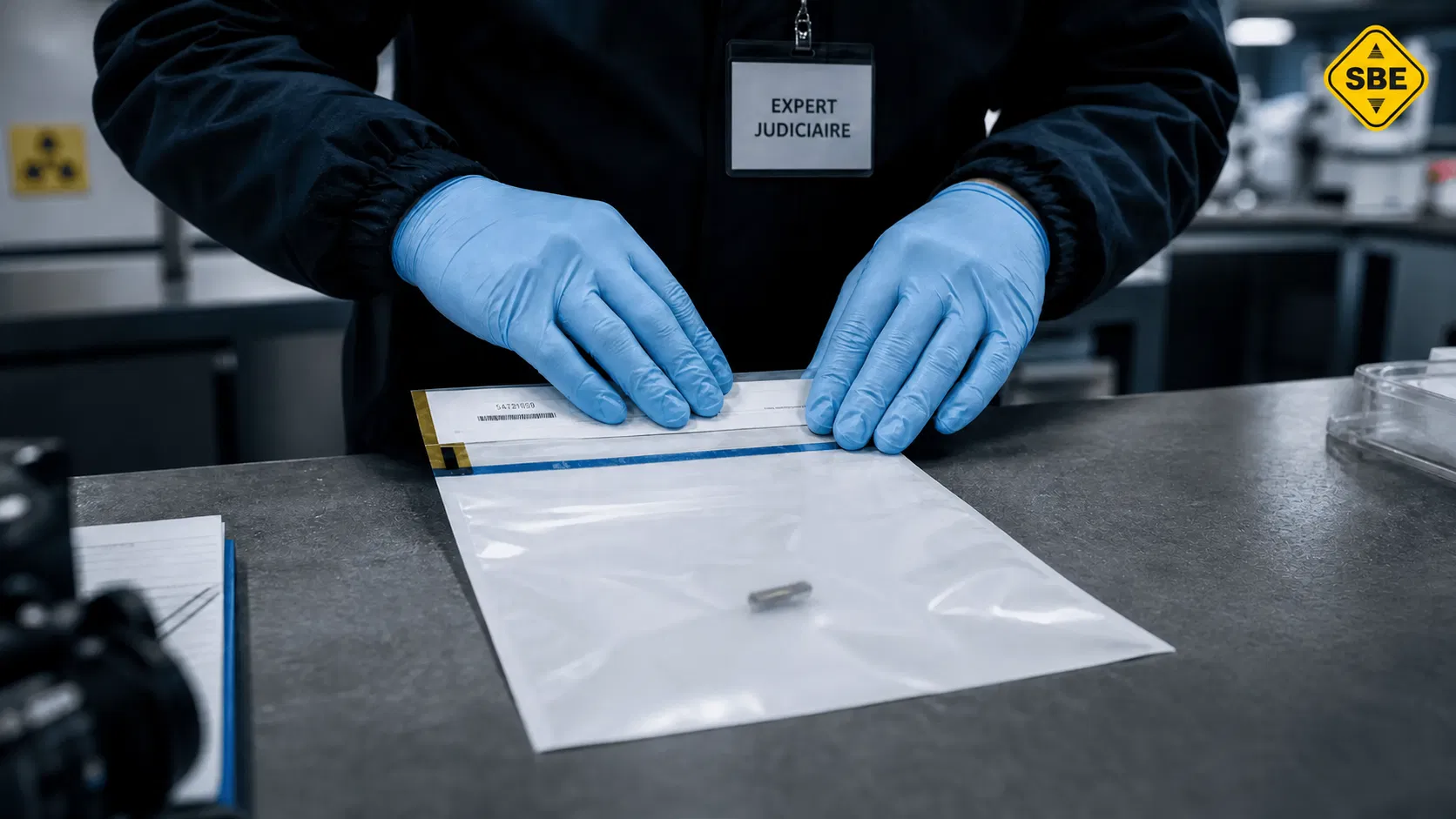
  • Judicial experts: experts appointed by the courts handle seals during their analyses. Any opening must be recorded in an official report.

  • Companies and internal departments: some companies use security seals as part of their internal procedures: cash-in-transit, container security, and sensitive inventory management. These uses rely on the same principles of inviolability and traceability.

How long is a seal kept for?

SituationRetention Period
Ongoing investigationUntil final judgment
Statute of limitations (misdemeanour)3 years
Statute of limitations (felony)10 years
Property transferred to the StateFrom 6 months depending on the case

At the end of the proceeding, the court ruling decides between the return and the destruction of the items held under seal. A short right of appeal is granted before any destruction takes place.

The mass storage of seals raises a real logistical challenge. The Bobigny tribunal judiciaire alone keeps more than 300,000 seals, with an inflow of 30,000 new seals per year, according to figures reported by Actu-Juridique. This is what justifies today's gradual shift to digital traceability through RFID and QR codes.

What are the key functions of a judicial seal?

A high-performance judicial seal fulfills five cumulative functions: physical inviolability, unique identification, documentary traceability, environmental resistance, and evidentiary value. The absence of even one of these functions weakens the proceeding and may lead to the item being declared void before the judge.

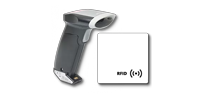
The major evolution since 2024: the integration of UHF RFID chips or unique QR codes into high-security seals. These technologies enable contactless remote reading, automatic database recording, and digital traceability running in parallel with the physical medium. SBE Direct integrates these components into its security seals on request, from 500 units upwards.

FunctionTechnical MechanismConsequence if Defective
Tamper-evidenceIrreversible breakage (snap, "VOID" marking, adhesive destruction)Integrity doubt, item contestable
IdentificationUnique sequential number, barcode or RFID tagUnable to link item to official report
TraceabilityDigital log of seal application / removalBreak in chain of custody
ResistanceRated for -40 °C / +80 °C, humidity, UV, solventsSeal detachment or loss
Legal validityISO 17712 compliance or expert validationRejected by the court

Types of judicial seals

Six families of judicial seals cover the full range of judicial and logistical needs. The choice depends on the medium to be sealed, the level of security required, environmental constraints and volume.

Type of SealSecurity LevelTypical UseStandardSBE Solution
Adhesive sealIndicative to highDocuments, cartons, sealed boxes, sealed bagsNF EN 16725↗ Adhesive seals
Pull-tight plastic sealIndicative to securePouches, evidence bags, expertise bagsISO 17712 class I↗ Plastic seals
Lead sealSecureMeters, fire extinguishers, archives, ballot boxesNF X 50-006↗ Lead seals
Metal cable sealHighContainers, diplomatic cases, tankersISO 17712 class SCable seal
High-security bolt sealVery highShipping containers, customs trucksISO 17712 class H↗ Container seal
Judicial evidence bagHighEvidence, digital exhibits, DNA samplesNF S 90-130↗ Custom judicial bag

Comparison table of judicial seal types

When choosing a judicial seal, it is essential to match the device to the level of security required and the type of medium to be protected: evidence envelopes, cartons, containers, doors, or transport equipment.

From the simple indicative plastic seal to high-security cable or metal seals for containers, including bolt seals dedicated to maritime use, each family meets a specific purpose and a different level of resistance. Compliance with the ISO 17712 standard further guarantees that your seals will be recognized and accepted internationally, particularly in the context of customs exchanges and inspections.

TypeMaterialResistanceMain UseStandard
Numbered plasticPolypropyleneLow to mediumBags, pouches, small containersISO 17712 I
CableSheathed steelMedium to highContainers, trailersISO 17712 S/H
MetalSteel / AluminiumHighMaritime transport, freightISO 17712 S/H
Bolt (bottle seal)Steel + lead/aluVery high (+1 T)Shipping containers, customsISO 17712 H
VOID adhesivePolyester filmIndicativeDocuments, enclosures
PadlockPlastic / metalMedium to highReinforced closures

In practice, the right judicial seal is the one that provides the appropriate level of security without unnecessarily complicating field operations. By combining a seal type suited to your needs (plastic, cable, metal, bolt) with compliance to the ISO 17712 standard, you secure your evidence seals while making inspections and traceability easier, both in France and internationally.

Benefits of judicial seals

Beyond their simple closing function, judicial seals are essential tools for securing, tracing, and protecting assets within a legal and evidentiary framework.

  • Proof of inviolability: any opening attempt leaves an irrefutable physical trace
  • Traceability: unique numbering, with available customisation (logo, barcode, QR code, RFID)
  • Deterrence: the visible presence of a seal discourages tampering attempts
  • Legal compliance: certified seals meet the requirements of judicial and customs procedures
  • Adaptability: a wide range covers all types of assets and contexts

Judicial seals are therefore indispensable allies for guaranteeing the security and authenticity of your assets.

Standards governing judicial seals

What does the ISO 17712 standard set out for security seals?

The ISO 17712:2013 standard defines three resistance classes for mechanical seals used on freight containers. Although it was originally aimed at international trade, it has become the implicit reference for any judicial seal carrying a high evidentiary stake in France and across Europe.

ISO 17712 ClassLevelBreaking StrengthTypical Use Cases
Class I — IndicativeIndicative< 10 daNSealed bags, sampling pouches
Class S — SecuritySecure10 to 225 daNTransport trucks, tankers
Class H — High securityHigh security> 1,000 daNShipping containers, export customs

It fulfills three main functions:

  1. Testing the physical resistance of seals (traction, cutting, bending, impact).
  2. Auditing manufacturers and their production processes.
  3. Verifying the seals' ability to reveal any tampering attempt.

"A seal that is not ISO 17712 certified cannot be considered inviolable under international customs law," the official documentation of the International Organization for Standardization (ISO, 2013) states.

Breaking a seal: what does the law say?

Broken judicial seal revealing the VOID marking, illustration of the seal-breaking offence under article 434-22

The breaking of judicial seals is a stand-alone offence punishable under article 434-22 of the French Penal Code: "The breaking of seals affixed by a public authority is punishable by two years' imprisonment and a fine of €30,000." The penalty applies even without intent to remove the item and even if the seal is restored afterwards.

"The breaking of seals affixed by a public authority is punishable by two years' imprisonment and a fine of €30,000." - Article 434-22 of the French Penal Code, version in force on 1 January 2002.

The penalty is raised to three years' imprisonment and a €45,000 fine if the offender is the seal custodian (article 434-22, second paragraph). The offence is established as soon as any handling occurs, even partial. That is why the official report of finding must photograph the seal from every angle and preserve the fragments.

How to choose the right judicial seal?

Four operational criteria guide the selection: risk level, medium to be sealed, environment and annual volume. A simple decision matrix helps frame the choice before any purchase.

Required security level


A simple indicative seal is sufficient for envelopes or small containers. For maritime containers or international transport, choose a high-security seal certified ISO 17712 Class H.

Conditions of use (transport, storage, outdoor…)


For outdoor use, weather exposure, extreme temperatures (–20°C to +80°C for plastic models): check the environmental resistance of the seal chosen. Cable seals are particularly well suited to harsh environments.

Identification needs (numbering, marking)


Consecutive numbering, custom marking (logo, text), barcode, QR code or RFID: these options make document management and traceability easier within your procedures.

Compatibility with your internal procedures

Some jurisdictions or companies impose specific formats, standards or certifications (for example the ISO 17712 standard for international transport). Before placing any order, check that the seal chosen complies with your specifications and internal procedures, using the SBE Direct guide Which security seal for which use? if needed.

SituationTampering RiskRecommended SealTarget Standard
Internal confidential documentLowVOID adhesive sealNF EN 16725
Urban cash transport pouchMediumNumbered plastic sealISO 17712 class I
Evidence item (DNA, weapon)HighCustom judicial evidence bagNF S 90-130
Sensitive goods truckHighCable seal ISO class SISO 17712 class S
Export shipping containerVery highBolt seal ISO class HISO 17712 class H
Sealed meter or fire extinguisherRegulatoryLead sealNF X 50-006
Seized digital mediaHigh + data integrityAnti-RFID bag + SHA-256 hashCircular 13/12/2011

For high volumes (above 5,000 seals per year), it is recommended to integrate the seals into a UHF RFID management systemor QR code system, with automatic reading at the time of sealing and unsealing. This solution reduces data-entry errors and feeds the procedural database directly.

Why choose SBE Direct judicial seals?

Since 1992, SBE Direct has been one of France's leading B2B suppliers for the identification and security of assets. With more than 11,000 long-standing customers, including government bodies, Gendarmerie units, forensic laboratories, CAC 40 companies, and local authorities. SBE Direct combines a comprehensive catalog (over 2,000 references) with exclusive patented products.

  • Industrial customization from 500 units: serial number, logo, "exhibit" marking, and unit color.
  • Regulatory compliance: ISO 17712, NF EN 16725, NF S 90-130, full traceability.
  • Free samples across the entire seal catalog for prior validation.
  • Express quote within 4 working hours; dispatch in 24/48 hours for in-stock references.
  • Volume discounts up to -70% beyond 10,000 units.
  • Expert advice: a product engineer supports every sensitive specification.

Our catalog covers all the families described in this guide: adhesive seals, plastic seals, lead seals, padlock and cable seals, container seals, custom judicial evidence bags, and tamper-evident security labels.

The judicial seal plays a central role in the protection and traceability of evidence. It is a legal, technical and documentary tool serving judicial truth.

See the author's articles
Melissa Oumaouche

With over 5 years of experience in creating content optimized for search engines, Mélissa is currently Marketing & Product Manager at SBE Direct, where she leads the product catalogue positioning across the e-commerce website and marketplaces, as well as the SEO content strategy in coordination with the marketing team she oversees.

We use cookies to improve your experience.