Panier
Il n'y a plus d'articles dans votre panier


- Nouveauté
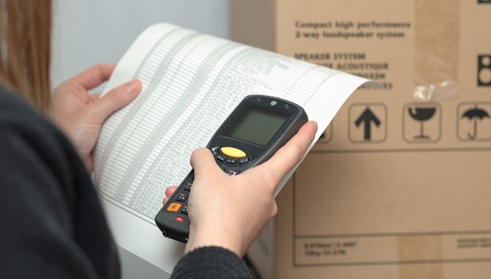
Gestion de stock, gestion des ventes, logistique...les lecteurs code barre sont aujourd’hui indispensables aux entreprises pour être efficaces et performantes.
SBE Direct vous présente sa large gamme de lecteur code barre composée d’une variété de modèles adaptés à différents domaines d’activité. Nous avons des produits de type douchette code barre, lecteur code barre et terminaux mobiles autonomes.
Les lecteurs de code barres peuvent lire plusieurs type d’étiquettes code-barres: à code barre 1D ou à code-barre 2D. Voyons quel lecteur est convient aux différents type de code-barres et de besoin.
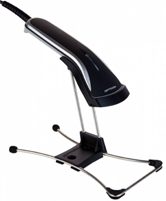
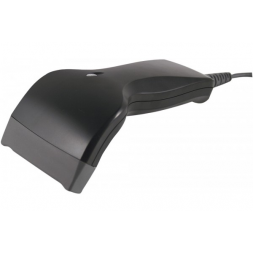
Elles représentent le lecteur code barre de grande surface et sont utilisées dans divers secteurs, du petit commerce aux grandes surfaces, et dans le domaine médical. Ces secteurs utilisent les douchettes autotrigger fines pour scanner simplement et rapidement les étiquettes afin de transmettre et analyser l’information rapidement pour ensuite traiter commandes et dossiers. Par exemple, la douchette CCD SC6000 est la plus utilisée en grande surface, où le nombre de scans atteint des niveaux record en période de fêtes.
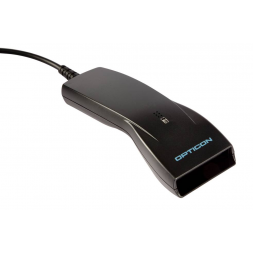
La douchette code barre est un lecteur code barre connecté à des ordinateurs PC ou Mac. Elles lisent différents types de codes allant du 1D, qui sont les codes barres linéaires basiques.
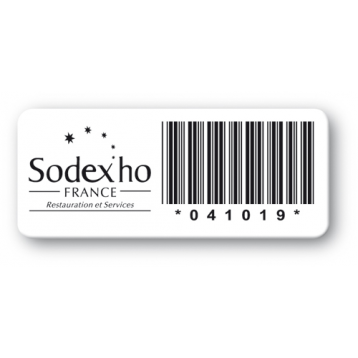
Ci-dessous, un exemple de code barre classique 1D :
Certains modèles offrent à leurs utilisateurs un mode d’utilisation automatique qui permet de scanner seulement en présentant le code barre sous la tête de lecture. L’usager qui ne souhaite pas s’encombrer peut ainsi poser le lecteur code barre bluetooth sur son stand et passer les codes sous la tête de lecture comme avec la douchette auto trigger OPR 2001. Toutes nos douchettes disposent d’un cordon fixe.
Pour en savoir plus sur l’optimisation de la gestion de stock avec une douchette code barre, consultez notre article.
Pour vous y retrouver, voici un tableau regroupant les différentes caractéristiques des douchettes que nous proposons chez SBE :
| Douchette | Poids | Vitesse | Température | Tête de lecture | Distance de lecture max |
|---|---|---|---|---|---|
| OPL-6845Z | 90gr | 100 scan/s | -5 °C à 50°C | 1D Laser | 45 cm |
| CCD SC6000 | 200 gr | 200 scan/s | -10 °C à 50°C | 1D CCD/Laser | 10 cm |
| OPR-2001 | 60gr | 100 scan/s | -5 °C à 50°C | 1D Laser | 50 cm |
| L-22X | 150 gr | 100 scan/s | -5 °C à 50°C | 2D Imager | 10 à 60 cm |
La densité des codes lus va de 0.127 à 1 mm pour l’élément le plus étroit.
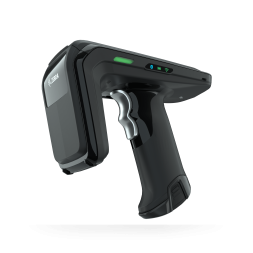
Les lecteurs code-barres portables sont des outils qui rendront plus pratique votre travail. Ce genre de lecteur laser code barre est couramment utilisé dans des activités telles que les inventaires en magasin ou en entrepôt ou bien pour les services postaux. Leurs points forts : leur légèreté ainsi que leur taille réduite leur offrent une maniabilité qui les rend simples et pratiques. Ils sont idéaux pour une utilisation en extérieur.
Les lecteurs code barre se distinguent des douchettes par leur forme de pistolet. Par ailleurs, ils peuvent lire plusieurs types de codes barres, les codes 1D (unidimensionnel) et 2D (bidimensionnel). Un lecteur code barre 2D peut lire du 1D.
Liste des différents codes lus :• 1D (lus par les lecteurs de technologie laser, fonctionnant avec un rayon rouge) |
Ici un exemple de code 2D ou QR code :
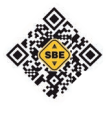
Les lecteurs code barres peuvent lire les QR codes car ce sont des codes barres 2D, privilégiez alors un lecteur QR code pour scanner les codes barres sur tout type de support même des écrans.
Notre gamme est constituée de lecteurs code barre filaires et sans fil. Alors que choisir ?
Tous nos lecteurs code barre ont une très bonne résistance aux chocs ainsi qu’aux projections d’eau et poussière, conformes à la norme européenne IP54.
Pour vous y retrouver, voici un tableau des différentes caractéristiques des lecteurs code barres d’inventaires que nous proposons chez SBE :
| Lecteur | Socle/ Câble | Poids | Format | Vitesse de lecture | Température | Technologie |
|---|---|---|---|---|---|---|
| OPR 3201 | socle flexible et câble USB, Wedge ou RS232C inclus | 80g | 56x149x109mm | 100 scan/sec | -5 à 50°C | 1D et 2D laser |
| L51X | support et câble Wedge ou RS232C inclus. Câble USB en option. | 150g | 75,4x169x121,2mm | 60 scan/sec | 0 à 50°C | 1D et 2D Imager |
| OPI 3601 | support et câble Wedge ou RS232C inclus. Câble USB en option. | 85g | 148,6x56x108,1mm | 60 scan/sec | -20 à 50°C | 1D et 2D Imager |
| OPC 3301i | Bluetooth - dragonne poignet | 127g | 113x132x56mm | 100 scan/sec | 0 à 50°C | 1D et 2D laser |
La largeur des codes lus peut aller jusqu’à 30 cm selon leur densité.
La densité des codes lus allant de 0.127 à 1 mm pour l’élément le plus étroit.
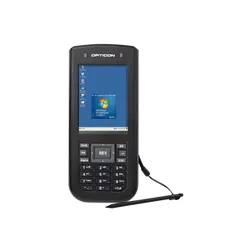
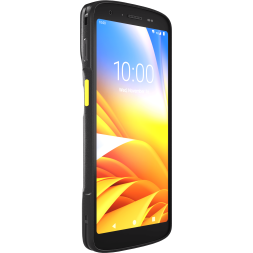
Les terminaux mobiles sont de vrais atouts en entreprise, ils ne font pas que scanner, mais ils analysent aussi les données et vous les transmettent directement en réseau. Ce sont non seulement des scanners à code-barres, mais aussi des mini-ordinateurs et lecteur de QR code avec lesquels vous pouvez travailler en direct, à distance. Avec les logiciels intégrés à votre terminal autonome, vous pouvez réaliser la collecte avancée de données et leur transmission sans fil en temps réel pour des applications sur site, notamment pour le contrôle et l’audit des prix, l’inventaire, l’assistance clientèle et le merchandising.
Cette gamme de terminaux laser peut facilement être connectée au réseau de par la technologie Wlan, ou le Wifi, bluetooth et cellulaire mais aussi grâce au câble et au socle fournis qui permettent le chargement et la transmission de l’information. Leurs caractéristiques physiques sont complétées par leurs hautes performances, surprenantes pour un lecteur code barre de cette taille.
Les terminaux portables sont adaptés à différents métiers : dans le secteur du transport, de la gestion des stocks, des inventaires (que ceux-ci soient quotidiens ou bien plus rares et importants). Les vendeurs en magasins leur trouveront également une grande utilité.
Le PX-20 est l’un des modèles les plus compacts des terminaux mobiles Bluetooth pour les codes barres 1D et 2D de notre gamme. Il allie performance et finesse d’utilisation, il est ergonomique et clairement adapté pour une utilisation en magasin ou en gestion de stock.
Voici la gamme de terminaux inventaire, très légers, pour des utilisations nomades et variées :
| Terminal | Socle/Câble | Autonomie | Poids | Format | Vitesse | Tête de lecture | Distance de lecture |
|---|---|---|---|---|---|---|---|
| OPN 2001 terminal | Câble USB inclus Socle en option | 12 heures | 29gr | 32x62x16 mm | 100 scan/s | Laser 1D Imager 2D | 20 cm |
| PX-20 | Câble USB et dragonne inclus | 35 heures | 40 gr | 34x71x15mm | 100 scan/s | 1D Laser | 20 cm |
| OPL 9815 | Socle et câble inclus | 50 heures | 115 gr | 44x140x22mm | 100 scan/s | 1D-2D- Imager | 3 à 30 cm |
| OPH 3001 | Câble USB inclus, socle en option | 40 heures | 156 gr | 58,2x180,8x23,8mm | 100 scan/s | 1D-2D- Imager | 20 cm |
| EDA51K | Câble USB inclus, socle en option | 12 heures | 300 gr | 164x73x24,5mm | 104 scan/ s | 1D-2D- Imager | 5 à 33 cm |
| OPH 1005 | Socle et câble inclus | 40 heures | 140 gr | 55x136x23mm | 100 scan/s | 1D Laser | 12 cm |
| H28 | Câble, USB inclus, socle en option | 8 heures | 308 gr | 77x147x19mm | 100 scan/s | 1D-2D - Imager | 30 cm |
| H29 | Câble USB inclus, socle en option | 8 heures | 297 gr | 71,8x175x19,5mm | 100scan/s | 1D-2D - Imager | 26 cm |
| H31/H33 | Câble USB inclus, socle en option | 8 heures | 319 gr | 79 x 158 x 20,9 | 100scan/s | 1D-2D - Imager | 26 cm |
| Scan Mini clé USB | (Bluetooth ou filaire) - Câble USB et dragonne | 8 heures | 150g | 42x18x13mm | 240 scan/sec | 1D CCD | 6 cm |
Vous souhaitez obtenir des informations exhaustives sur les codes-barres pour votre activité professionnelle ? Nous ne pouvons que trop vous conseiller la consultation de l’excellent article Code-barre sur Wikipédia.
Pour toute information sur l’un de nos produits l’équipe SBE Direct se tient à votre disposition.
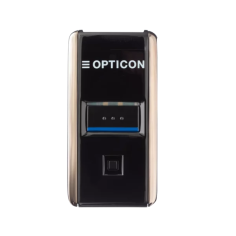
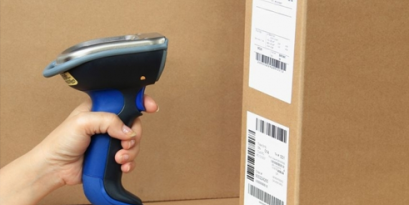
Les lecteurs de code barre sont des outils efficaces en matière d’identification des produits stockés dans le milieu professionnel. Les lecteurs de code-barre permettent de lire des code-barres unidimensionnels (128, UPC-A, EAN13..) mais également des bidimensionnels (QR Code). Il n’existe pas un lecteur idéal mais un lecteur adapté à un besoin. Afin de trouver le modèle du lecteur qui vous convient, il est indispensable de déterminer son utilisation et ses fonctionnalités.
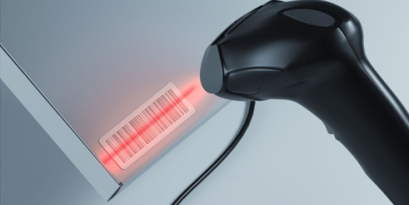
La gestion des stocks est aujourd’hui l’une des préoccupation majeures des dirigeants d’entreprise. En effet, celle-ci doit être optimisée pour permettre la traçabilité des produits et ainsi augmenter la rentabilité de l’entreprise et sa réputation auprès de ses clients. SBE vous propose plusieurs modèles de douchettes code-barre qui vous aideront à gagner du temps lors de vos inventaires grâce à leur lecture rapide et fiable des données et leur facilité d’utilisation.
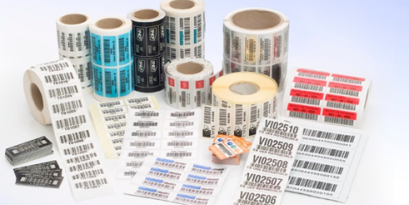
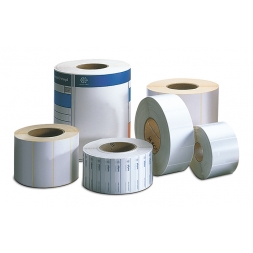
Gagnez du temps et de l’argent lors de vos inventaires de biens en évitant la perte d’identification ou même le vol de vos biens. Venez tester gratuitement notre gamme d’étiquette d’identification la plus reconnue et innovante du marché