Panier
Il n'y a plus d'articles dans votre panier




- Nouveauté
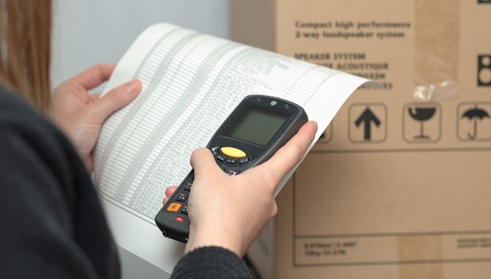
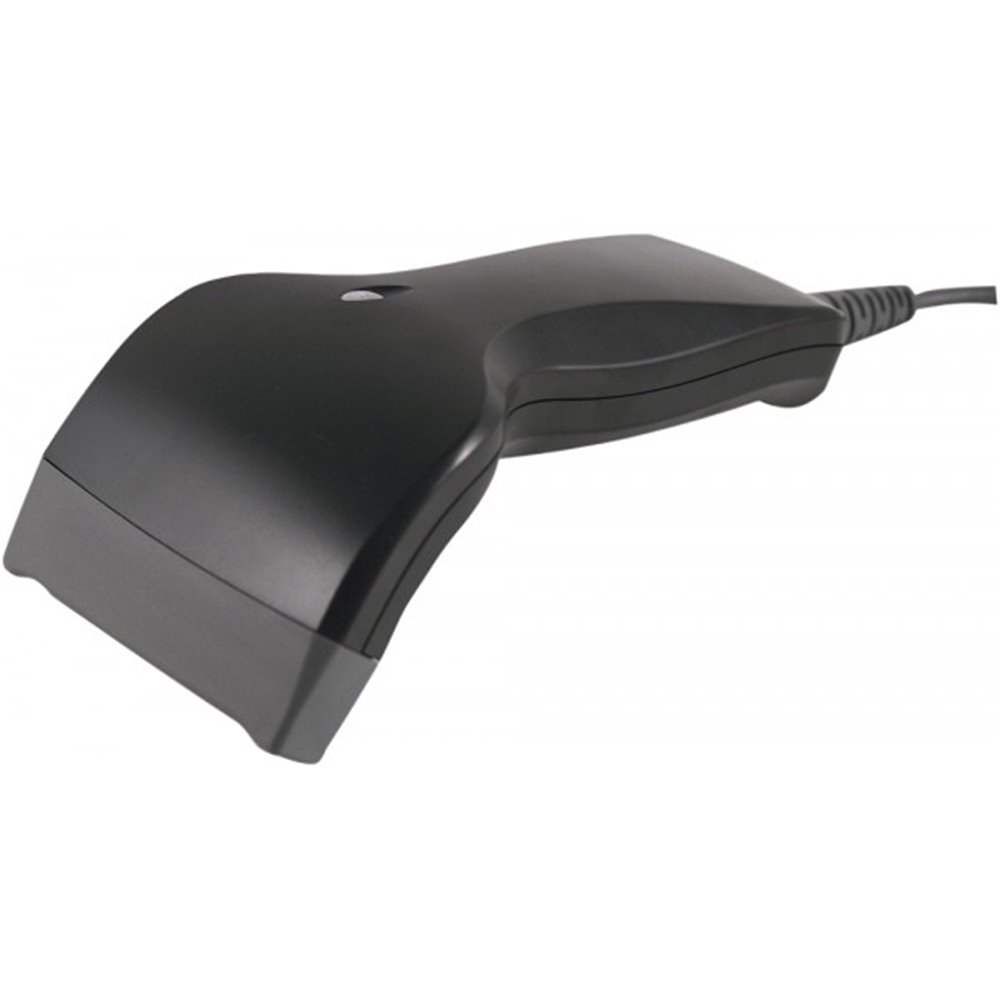
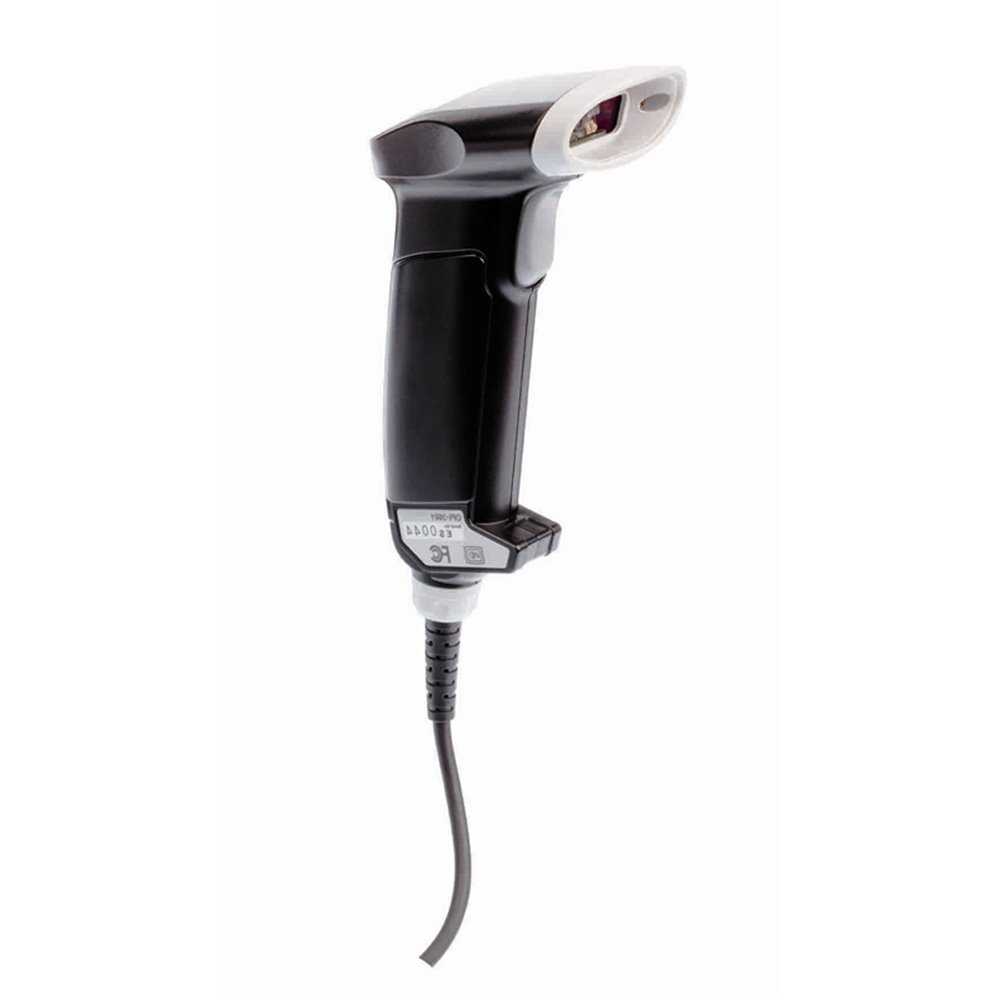
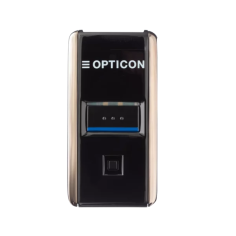
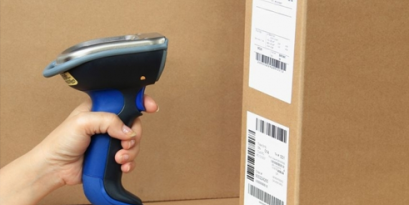
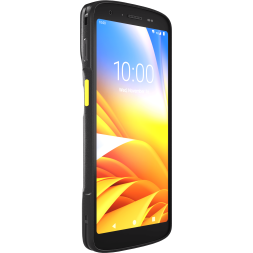
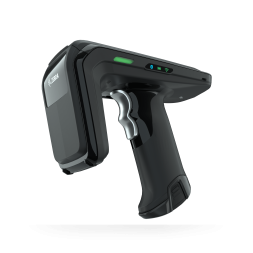
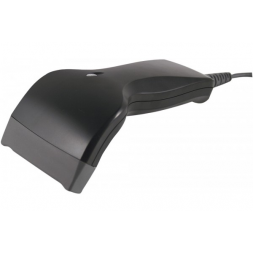
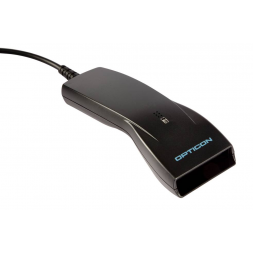
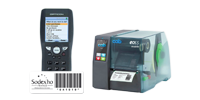
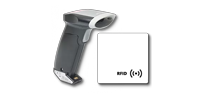
Les lecteurs de code barre sont des outils efficaces en matière d’identification des produits stockés dans le milieu professionnel. Les lecteurs de code-barre permettent de lire des code-barres unidimensionnels (128, UPC-A, EAN13..) mais également des bidimensionnels (QR Code). Il n’existe pas un lecteur idéal mais un lecteur adapté à un besoin. Afin de trouver le modèle du lecteur qui vous convient, il est indispensable de déterminer son utilisation et ses fonctionnalités.
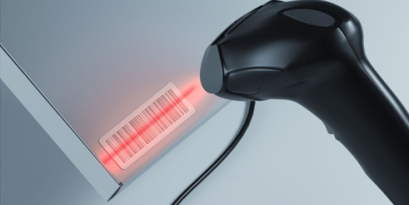
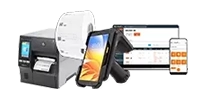
La gestion des stocks est aujourd’hui l’une des préoccupation majeures des dirigeants d’entreprise. En effet, celle-ci doit être optimisée pour permettre la traçabilité des produits et ainsi augmenter la rentabilité de l’entreprise et sa réputation auprès de ses clients. SBE vous propose plusieurs modèles de douchettes code-barre qui vous aideront à gagner du temps lors de vos inventaires grâce à leur lecture rapide et fiable des données et leur facilité d’utilisation.
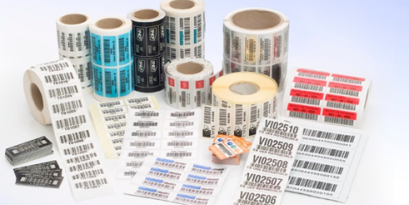
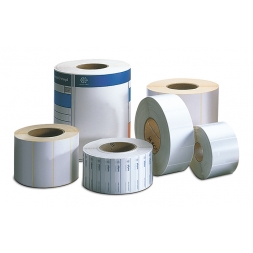
Gagnez du temps et de l’argent lors de vos inventaires de biens en évitant la perte d’identification ou même le vol de vos biens. Venez tester gratuitement notre gamme d’étiquette d’identification la plus reconnue et innovante du marché